 Nöbetçi Eczaneler


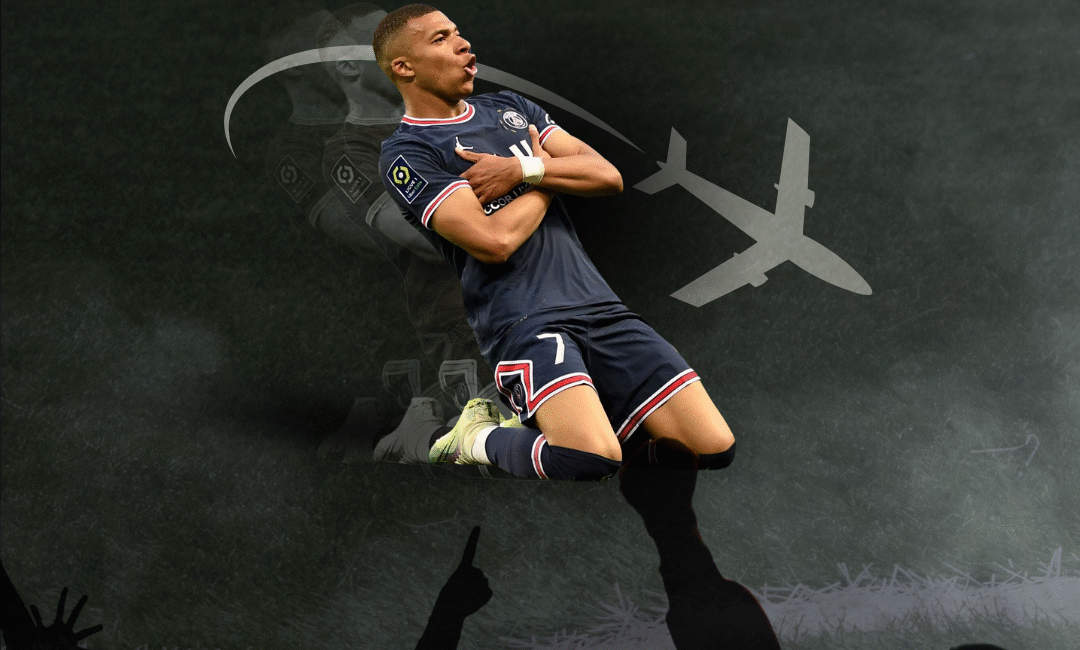
Every week or weekend, millions of football fans pack their bags and set off to support their teams, sometimes near, sometimes far. Beyond the chants and cheers lies a staggering economic engine that often goes unnoticed. Of course, there’s more than football, basketball, motorsports, volleyball, and many other sports contribute to it, but in this piece, we’ll begin with football.
Gastronomy on the Go
Across Europe, away fans spend between €120–€250 per meal during match weekends, boosting local restaurants and cafés by 30–60% (source: UEFA Fan Travel Report 2023; European Cities Tourism Board 2024). Personally, I’ve witnessed this firsthand. During the Man City vs Inter Milan UEFA Champions League in Istanbul, I experienced the festival atmosphere and saw how fans drove the local economy. Restaurants, bars, hotels, and even brands inside the festival area were thriving. The metro was packed with fans in light blue, creating a living, breathing celebration of sport.
Whenever I travel, I check if there’s a sporting event, football, basketball, especially NBA games, Formula 1, because these are more than just games; they are economic engines and cultural festivals. Fans are the 12th man, the unseen force shaping industries, cities, and experiences.
Hospitality Wins Big
Away fans book over 20 million hotel nights annually, generating €2 billion+ for the hospitality sector (source: European Travel Commission 2024). Many trips extend beyond matchday, turning short visits into full-fledged mini-vacations. I’m not alone in this behaviour; millions of fans, knowingly or not, contribute to hotel bookings, city tours, and tourism alike.
Tourism Meets Football
Fans don’t just stick to stadiums; they explore museums, landmarks, and cultural experiences. On average, each away trip brings in €350–€700 in additional tourism spending (source: UEFA Fan Travel Report 2023). Cities like Madrid, Milan, and Munich thrive during match weekends, benefiting from fans’ curiosity and enthusiasm for local culture.
Aviation & Logistics: The Invisible MVP ✈️
The movement of fans fuels an often-overlooked logistics network. Airlines, trains, and transport services see seasonal surges during match weekends, contributing over €2.5 billion annually to European aviation and transport sectors (source: European Aviation Association 2024). From chartered flights for VIP supporters to packed regional trains, football travel drives connectivity, efficiency, and innovation in logistics.
With World Cup tickets dropping today, September 10, fans around the globe are already planning trips, travel, and accommodations, reinforcing how football drives not just passion but entire industries like aviation, hospitality, and tourism. That said, there have been concerns around ticket sales, and we’ll only know how it plays out after September 10. Travel restrictions, slow visa processes, and some immigration approaches make it challenging for FIFA and fans alike, but these hurdles don’t diminish the enormous economic and cultural impact of football travel. World Cup ticket sales will happen in phases: fans with a Visa card (a World Cup corporate sponsor) can first apply for a chance to buy. Selected fans will be placed into a randomly drawn queue, which will assign them a designated time and date in October to log in and purchase. Each fan may buy up to 40 tickets across different matches (max 4 per game). All 104 matches will be available, including a limited number of $60 seats per stadium.
More Than Just the Game ⚽
The Plus Man Perspective: Fans who travel, fans who stay home, fans who follow from afar, they are all part of the same ecosystem. They are the 12th man, the follower, the unseen force that moves industries, cities, and even nations. Fans impact teams far beyond the ticket office; they are the heartbeat of club economies, the unofficial investors in player development, and increasingly, the architects of football-related tourism and aviation markets.
We’ll dive deeper into this in The Plus Man series: “Sports & Aviation Fusion”, exploring how VIP travel, aviation, and sports experiences can merge, creating new possibilities for fans, cities, and brands alike.