 Nöbetçi Eczaneler



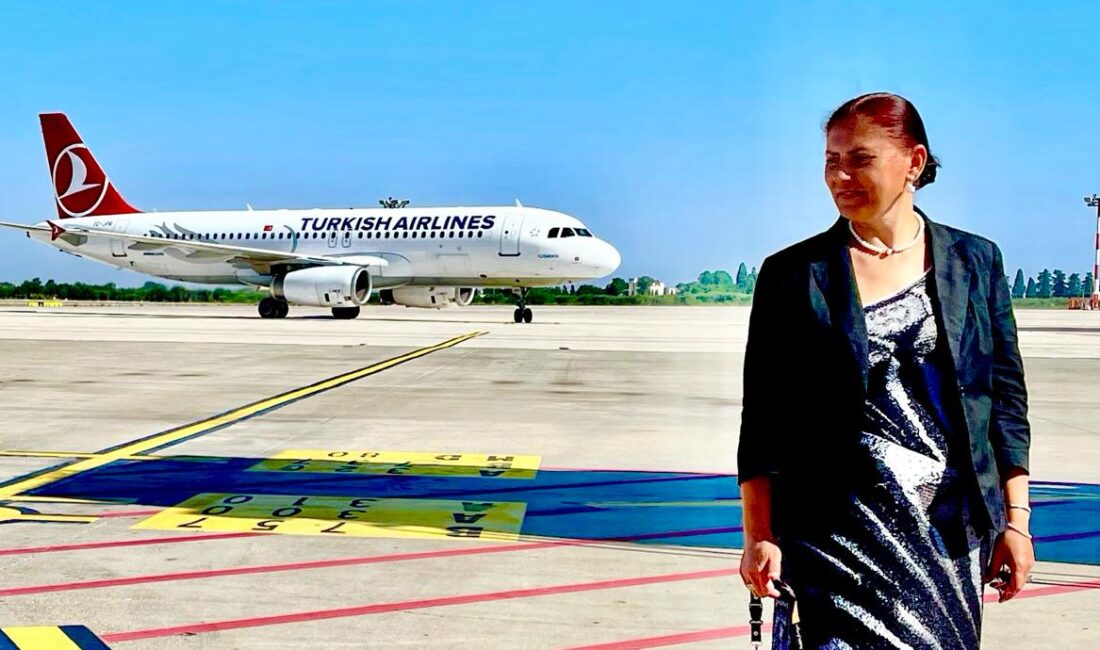
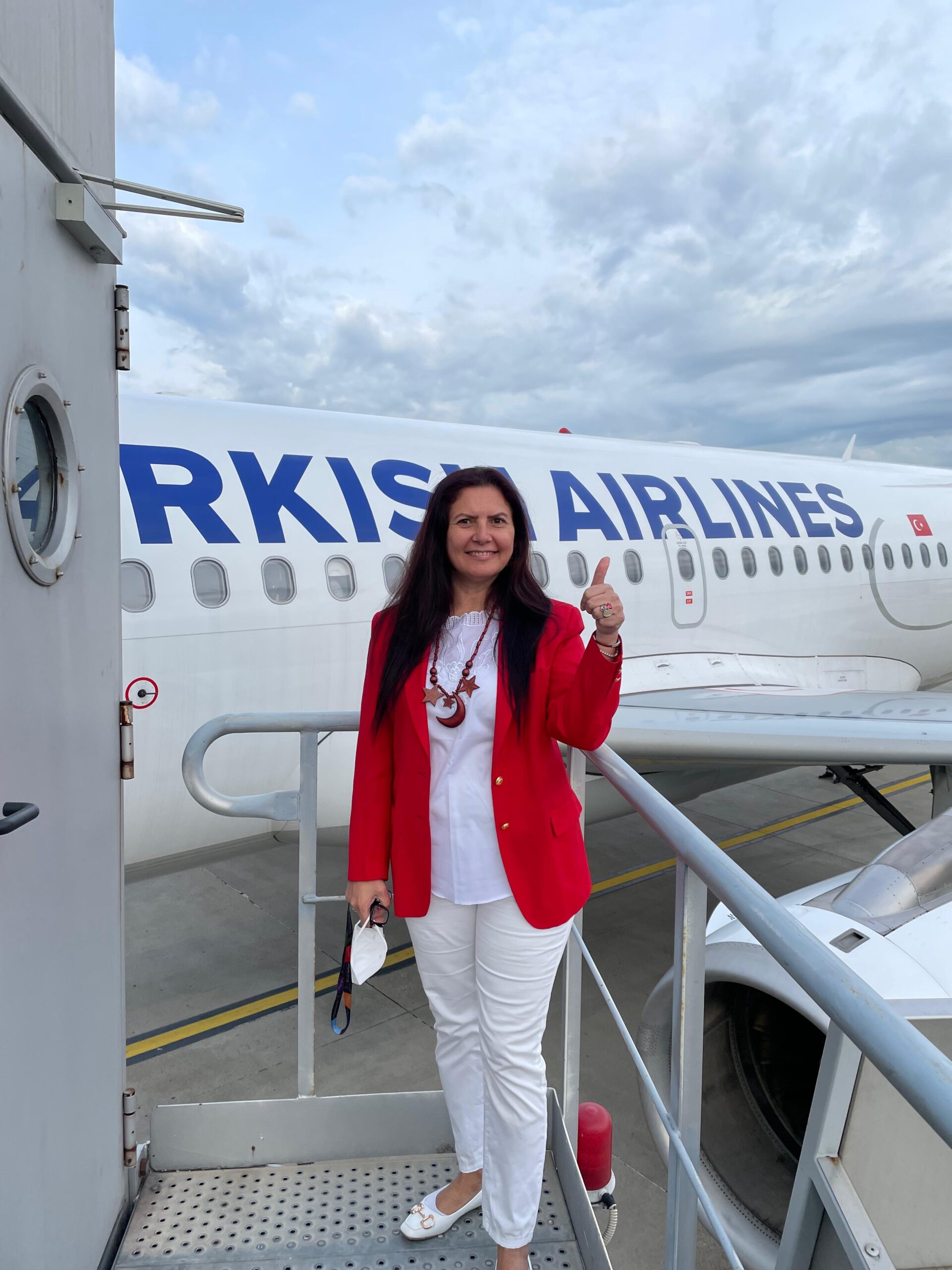
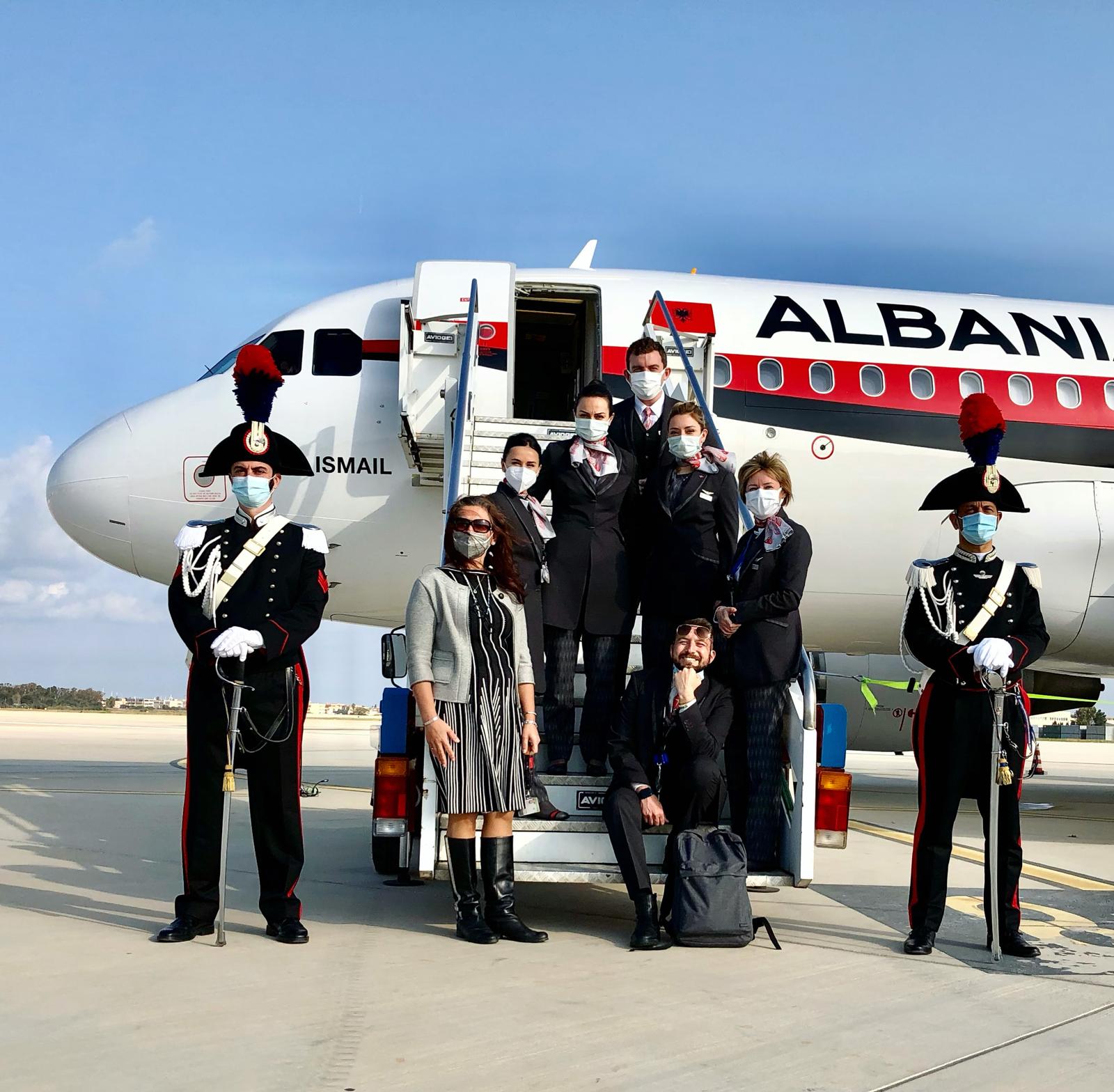
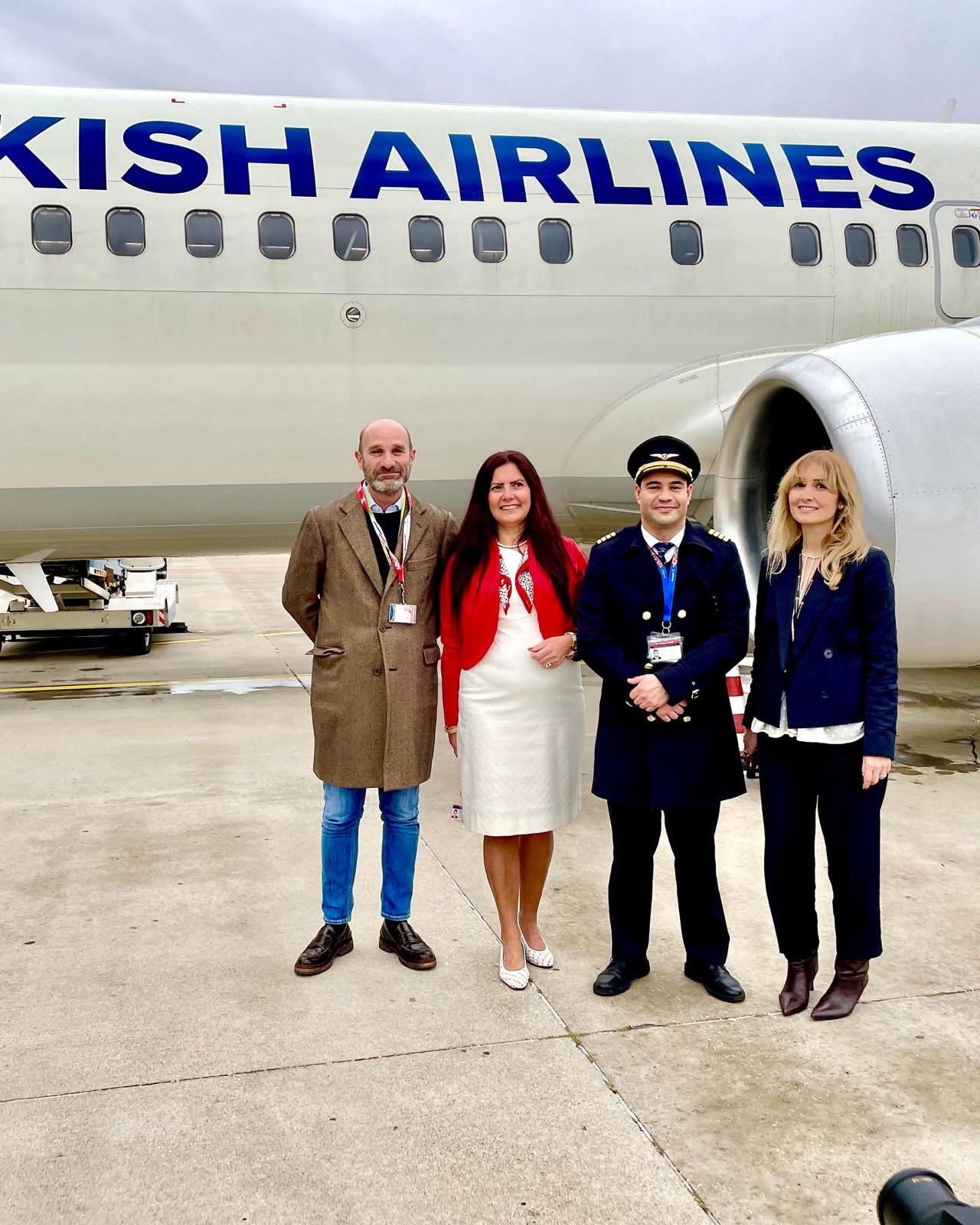
Our guest this week in the “Women in Aviation” series is Ömür Kahraman, a longtime Turkish Airlines (THY) Bari Manager, author, sports aviator, and tourism professional. Kahraman worked for 10 years as an inspector at THY and served as the General Manager of the Bari branch in Italy for 4.5 years. She is also known as the first female aviator to fly to Istanbul on a cargo plane during the COVID-19 pandemic. True to her surname, she is a guiding light for the new generation of female aviators. You will be amazed when you read her story.
At Aviationext, we conducted an interview with Ömür Kahraman. We asked her very special questions, and she kindly responded immediately. In fact, she said, “I’m an aviator; I won’t keep you waiting. We aviators never wait on operations.”
Without further ado, let’s hear from our guest…
Can you introduce yourself?
I was born on April 18, 1972, in Tekirdağ, which was my newly commissioned father’s first duty station. My mother had to stay in bed for nine months before I was born because she had lost three children previously. So when she finally held me, I was always the princess of the family. I had a very beautiful childhood. Since I have a younger brother just one year younger than me, I never really needed friends.
Since childhood, my family raised us to be independent individuals and stood by us in every decision we made. Even if they didn’t fully agree, they showed me right from wrong and always wanted me to make the final call. I have a very loving family, and I am proud to be the daughter of a family that has always trusted and supported me fully.
Due to my father’s duty assignments, I started high school at Lefkoşa Turkish High School in Cyprus and finished my senior year in Muş Malazgirt after my father’s reassignment.
When did you first get involved in the aviation sector?
As a child, my dream was to become a pediatrician. However, due to the education system, I was unable to fulfill this dream. Even though I scored very high in the social sciences section of the university entrance exam, I made uninformed choices and was left without a placement. I took computer and English courses in Ankara. During this time, I started working at a travel agency owned by a friend of my father. At 17, I sold plane tickets and thus was introduced to aviation. Later, when our agency became the General Sales Agent (GSA) for Uzbekistan Airways, I became more involved in the airline business.
How was your university life?
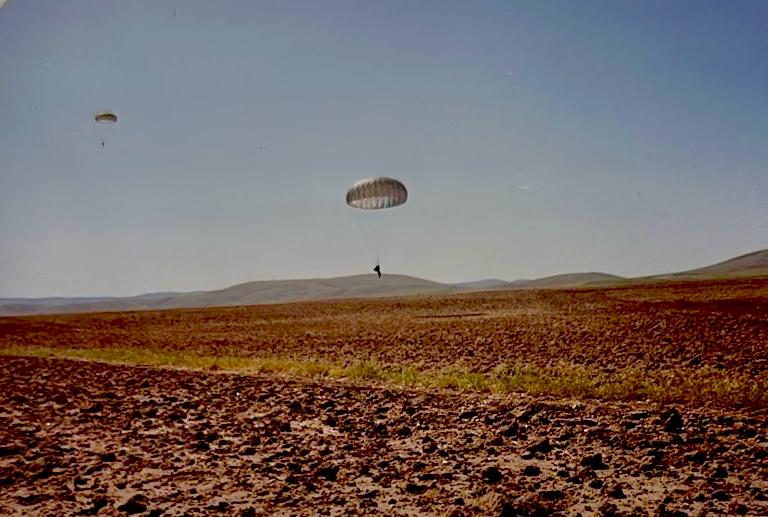
I worked as a parachute jumping instructor at TÜRKKUŞU (Turkish Aeronautical Association). In my first year, our physical education teacher was pregnant and often absent, so we skipped classes. I missed attendance in three classes, and since I wasn’t present in any of them, I failed physical education. At that time, the system was based on passing the entire class, not just individual exams. I was top of my class academically. The department head called the PE teacher and asked for leniency for me. The teacher said, “If she brings a parachuting certificate from TÜRKKUŞU, I will pass her.” So that summer, begrudgingly, I joined parachute training. It was very tough, and nearly every part of my legs was bruised.
“My first jump was from 400 meters.”
The next step was to make my first jump from 400 meters. When I got to the airplane door and looked down, I thought I couldn’t do it and wanted to back out. But my instructor kicked me out from behind, and I felt myself left alone in the vast sky. At that moment, I couldn’t remember any of the training I had been given on the ground. Normally, you count to four seconds while pressing your chin to your chest. Then you check if the parachute has opened, and if not, you deploy the reserve parachute. I panicked and looked to see if the parachute had opened — the parachute lines scratched my cheek and face.
When landing, we were supposed to do a five-point roll, but I forgot that too and crashed face-first into the ground. My lips and the inside of my mouth were badly injured. The instructors gave me first aid and said, “Now you have to do the second jump, or you won’t be allowed to jump again.” Luckily, I made it through that day and completed the five jumps required for progression.
How did your transfer to airlines begin?
Later, I transferred to Air Moldova and Palestinian Airlines. In 2003, I played a leading role in establishing Turkish Airlines’ honorary observer and mystery customer program, providing feedback for improvements. In 2008, I began working professionally at Turkish Airlines, serving 10 years as an inspector and 4.5 years as General Manager in Bari, Italy.
Looking back today, I am glad I didn’t become a pediatrician; I am proud to be a tourism professional, tour guide, and aviator instead.
When did you take your first flight?
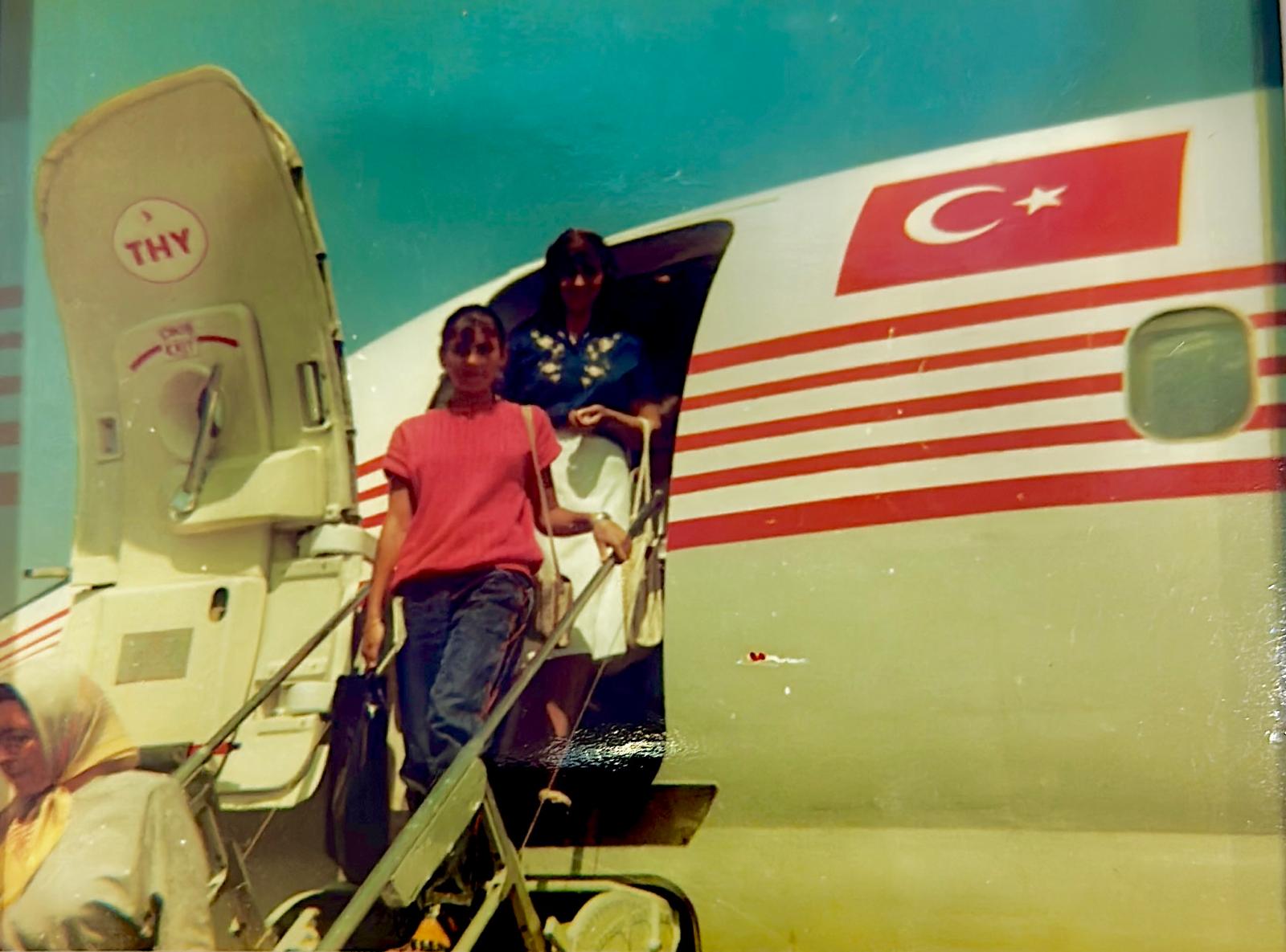
By the way, I first flew at age 13 when my father was assigned to Cyprus; I flew from Ankara to Lefkoşa.
The only female THY manager to fly as a passenger on a cargo plane!
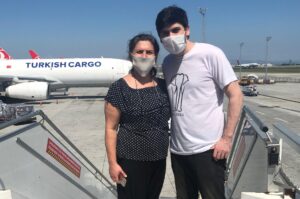
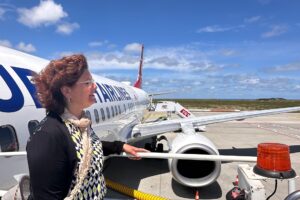
During COVID-19, I was the Turkish Airlines Bari General Manager. As you know, the pandemic first started in Italy. Our headquarters decided that all personnel, including me, would relocate from Italy to Istanbul. Even though my home was in Istanbul, we were told to stay in a hotel. We stayed in the hotel for three months as the pandemic worsened. Flights were suspended except for cargo flights carrying medical supplies and other essentials. One day, the headquarters decided to send us back to our posts. We all wondered how we would get there. We were told there was a cargo flight from Istanbul to Milan, so I boarded the cargo plane as a passenger with my son.
It was a difficult journey to get home. The Milan-Bari route is 800 km, and our line remained closed for one and a half years. I spent that difficult COVID period at home.
Since I dislike staying idle, I wrote my books Fulya da Bir Ömür and Torbayla Bir Ömür during that time.
What do you want to see in the future of aviation?
I can divide what I want into two main areas: technological progress and environmental sustainability.
I hope to see electric and hybrid airplanes, reduced dependency on fossil fuels, biofuels, and hydrogen-powered planes, use of renewable energy at airports, and more efficient flight routes to reduce the carbon footprint — all related to sustainability.
On the technology side, I want to see autonomous passenger and cargo aircraft, drone taxis, and AI-powered air traffic management systems that reduce delays and collision risks.
I also envision silent, comfortable, and fast flights, shortened intercity travel times, AI-assisted services, expansive digital entertainment systems, and personalized cabin experiences.
Furthermore, I imagine travel from one side of the world to the other in under an hour, space tourism, low-orbit hotels, and satellites operating continuously in the upper atmosphere.
Most importantly, I want flights to become more affordable and accessible, and the aviation sector to become more inclusive, with gender and ethnic equality from pilots to managers.
Who is your inspirational female leader?
One of my role models is Sabiha Gökçen, who said, “If you remember me one day, just be in the skies.” She was one of the world’s first female combat pilots and Turkey’s first female pilot. Joining the Turkish Air Force in 1936, she became a historical figure as Atatürk’s adopted daughter and a role model for women’s equality in society.
Being a woman in a male-dominated, especially military, aviation field was revolutionary at the time. Her youth, technical skill, and determination are true examples of courage.
Her success paved the way not only for her generation but for future female pilots and engineers, demonstrating women’s strength worldwide.
In 1996, she was honored by the U.S. Air Force as the “world’s first female combat pilot,” and Istanbul’s Sabiha Gökçen Airport was named after her — a clear sign of the respect she commands.
Sabiha Gökçen is not only a pilot but a vision, a revolution, and a symbol of women freely spreading their wings toward the future. Following her example means pushing boundaries, being brave, and carrying dreams into the sky.
How many books have you written?
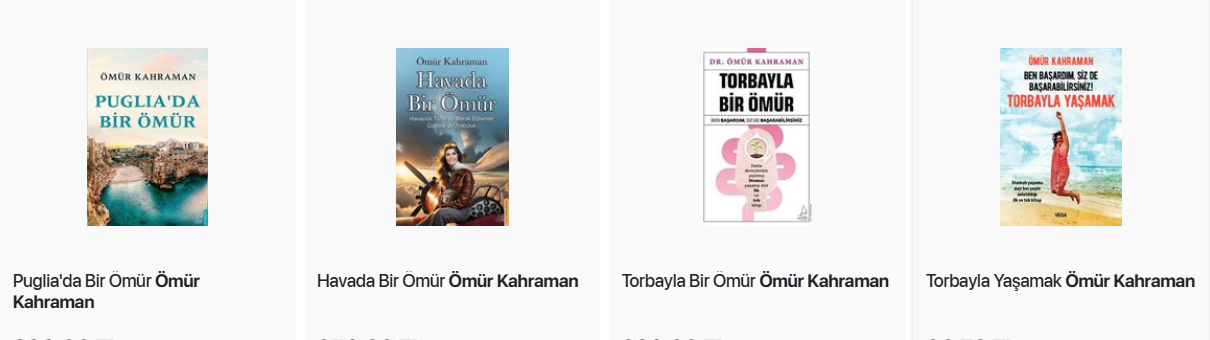
I have written four books so far: two during the pandemic and two afterwards. They are Puglia’da Bir Ömür, Havada Bir Ömür, Torbayla Bir Ömür, and Torbayla Yaşamak.