 Nöbetçi Eczaneler



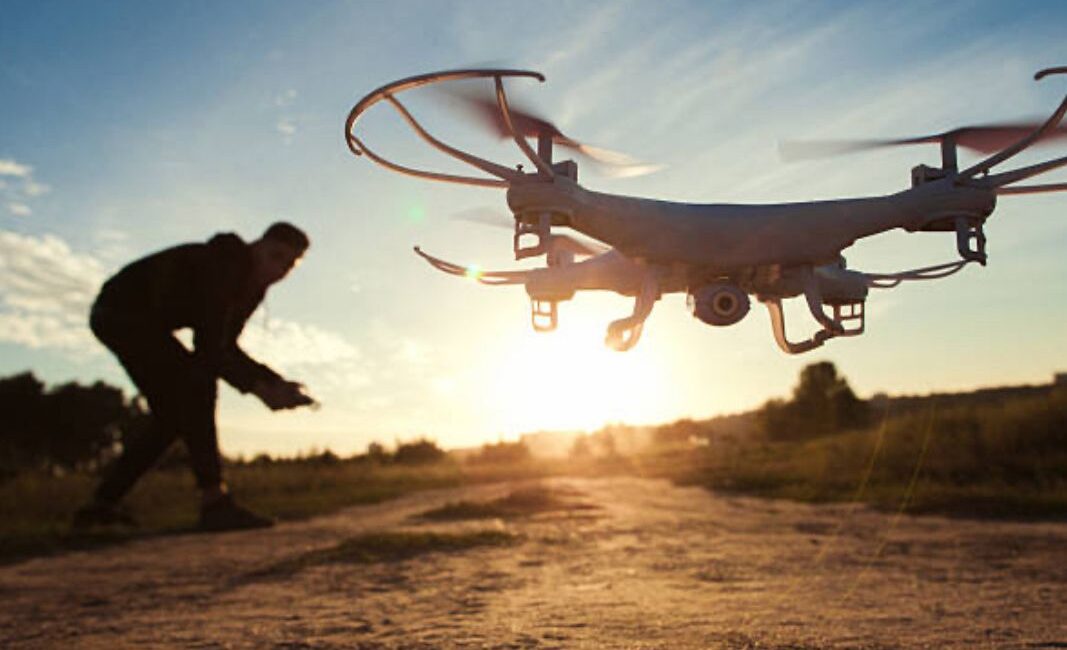
For decades, one of the most prestigious professions in aviation, piloting, has symbolized the strategic strength of nations and the private sector alike. Yet, the rapid rise of unmanned and autonomous aerial systems (UAVs) has sparked a deep debate about the future role of human pilots. Autonomous warfare technologies are not only transforming modern air forces’ operational capabilities but also challenging the hierarchy and human factor that once defined aviation.
Equipped with sensors, artificial intelligence, and algorithmic decision-making, autonomous systems are increasingly capable of taking over many of the skills once unique to human pilots. Complex air operations, target identification, rapid maneuvers, and high-risk missions can now be executed remotely or entirely autonomously. This shift narrows pilots’ traditional roles and brings forward the need for a new form of “human–machine hybrid” planning in military strategy.
Academic research shows that autonomous systems may surpass manned operations in cost-efficiency and speed, but the ethical and legal implications remain deeply uncertain. Questions surrounding accountability, moral judgment, and compliance with international humanitarian law continue to stir global debate.
While pilots possess the ability to interpret both the ethical and strategic dimensions of warfare, autonomous systems act strictly within their programmed logic, raising serious concerns about the loss of human judgment in life-and-death decisions.
From a global security standpoint, autonomous UAVs and combat systems are rapidly emerging as powerful deterrents for states. However, this does not mean the pilot profession is vanishing. Instead, it is evolving: pilots are shifting from the operational front lines to roles focused on system supervision, strategic oversight, and ensuring the ethical and lawful use of autonomous technologies.
Autonomous warfare is shaking the very foundations of aviation, but pilotage is not dying; it’s transforming. Humans remain the ethical and strategic minds of air operations, while machines take on speed, precision, and risk.
This silent revolution is not erasing pilots, it’s redefining their place in the future of aviation and defense.