
 Nöbetçi Eczaneler



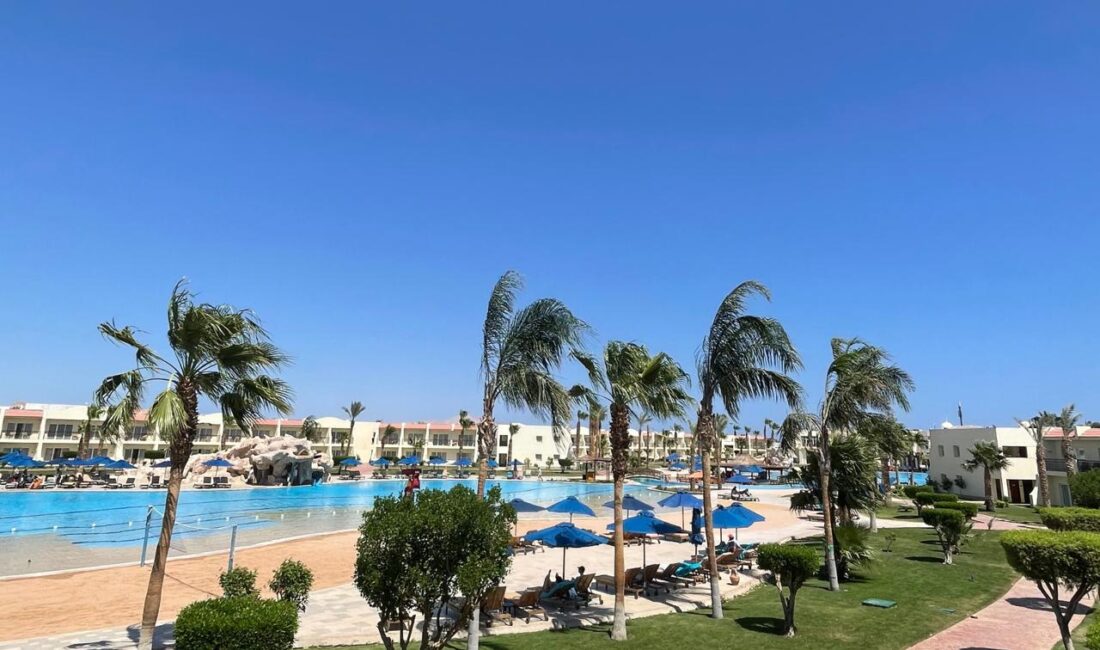
Sharm El Sheikh is not only an address for budget-friendly holidays; it is also one of Egypt’s most strategic assets in the global tourism competition. As the only city in Egypt that Turkish citizens can visit visa-free, Sharm’s controlled resort model and tourism-specific regulations reflect the efforts to maximize the city’s potential.
The destination is almost single-handedly reshaping the price–performance balance in the Mediterranean-Red Sea region. At a time when airfares are climbing and European coastal destinations are becoming increasingly unaffordable, Sharm El Sheikh’s resurgence is far from a coincidence.
The Egyptian government positions this destination as a strategic low-cost tourism hub within its broader tourism vision. The recent surge of visitors from a wide geography, from Türkiye to Russia, Europe to the Middle East, is in fact a direct result of this strategy.
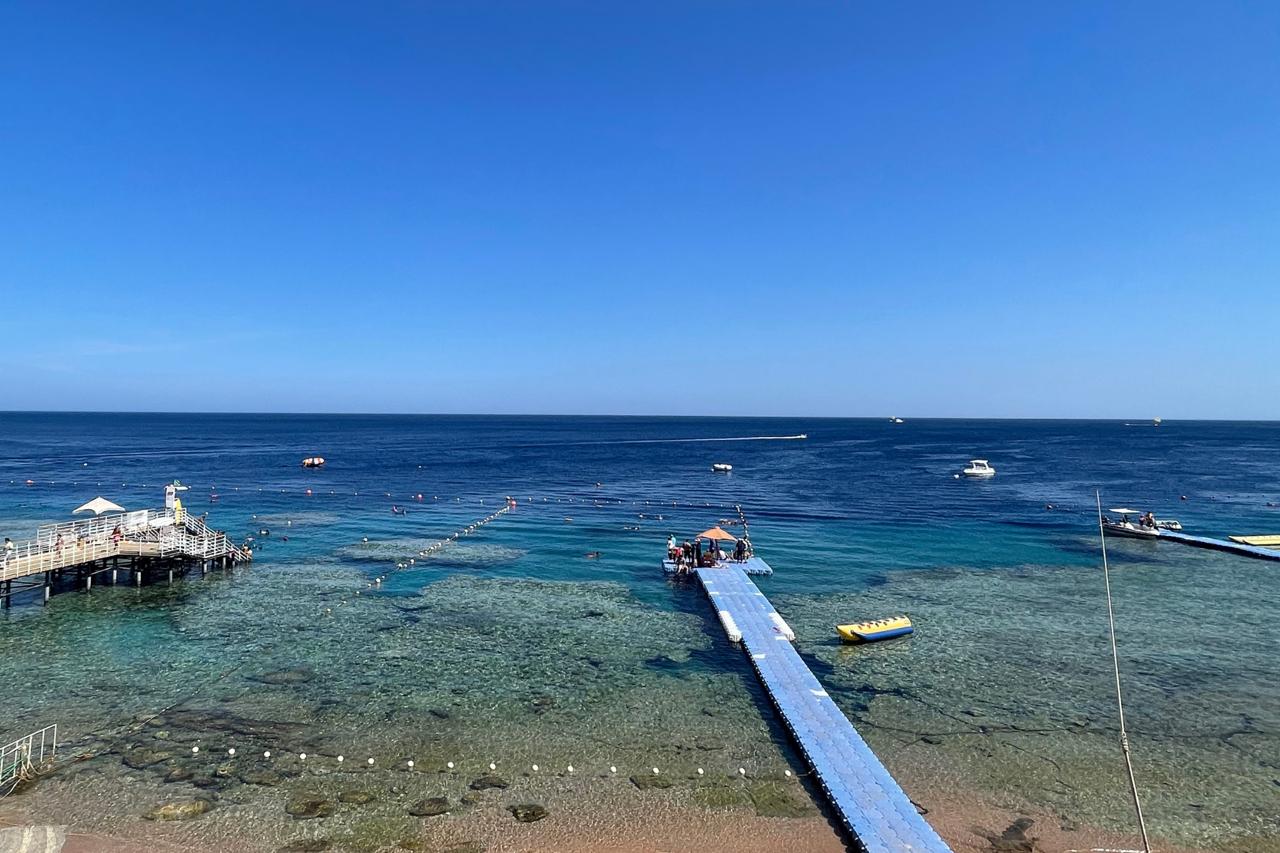
Situated on the Red Sea coast with crystal-clear waters and world-famous coral reefs, Sharm El Sheikh has developed a distinctive holiday identity. Beyond being a classic resort town, it operates almost like a closed-loop tourism zone, with its own borders, security protocols, and tourist-focused structure. Limited access for local residents is directly linked to the goal of offering visitors a controlled and “sterile” environment. In this sense, it resembles a smaller-scale version of Dubai, Abu Dhabi, or even Saudi Arabia’s NEOM project.
The New Destination for Affordable Holidays
In the post-pandemic era, the global demand for accessible and affordable holidays is on the rise. Rapidly increasing prices in European cities and summer destinations have pushed travellers toward more cost-effective alternatives, and this is precisely where Sharm El Sheikh re-entered the picture.
Egypt’s state-controlled tourism model creates a strong pricing advantage, particularly in the Sharm–Hurghada–Marsa Alam triangle. All-inclusive stays at four- and five-star hotels remain significantly more affordable compared to Europe or the Mediterranean. Aggressive pricing strategies by tour operators targeting markets such as Türkiye, Russia, Germany, and Saudi Arabia have further accelerated this growth.
The numbers support this trend. In 2023–2024, Egypt reached its pre-pandemic tourism volumes and began climbing back toward the strong performance levels of the 2010s. Sharm El Sheikh accounts for a significant share of this recovery.
A Favorite Route for Turkish Travelers
Rising holiday costs in Türkiye, increasing airfares, and the growing inaccessibility of Greek and Italian coastlines have pushed Turkish travelers toward more economical destinations. Sharm el-Sheikh has emerged as a solution to this gap.
There are three main reasons for its popularity:
-
Unlike other Egyptian cities, Sharm el-Sheikh allows visa-free entry for Turkish citizens
-
Increased accessibility thanks to direct flights
-
More affordable prices for comparable holiday standards
Flights operated by Pegasus Airlines, Turkish Airlines, AJet, SunExpress, and various charter carriers have significantly improved connectivity. For many travellers, the same quality of holiday in Sharm comes at a much lower cost than in Türkiye or Europe.

The “Business Class Seat” Rumours
Recently, social media and travel forums have been filled with claims that Egypt is requiring airlines flying to Sharm El Sheikh to offer business class seating. While my research has not identified any official regulation confirming this requirement, the origin of the rumor is still noteworthy.
Egypt is seeking to partially “premium-ize” the destination in order to increase tourism revenues. The Ministry of Tourism has repeatedly stated that it does not want Sharm to be perceived solely as a “cheap holiday” destination. The idea of setting minimum seat quality standards on inbound flights may stem from this broader ambition.
An Aviation Perspective
Behind Sharm’s success lies a well-designed aviation and air traffic policy:
-
Government incentives for airlines
-
Slot flexibility for charter operations
-
Year-round flight schedules
-
Ongoing airport capacity expansion efforts
All of these factors play a key role.
Today, Sharm El Sheikh stands out as one of the destinations that best understands the changing economic dynamics of global tourism. Egypt’s pricing advantage, closed-loop tourism model, charter-supported air traffic, and simplified entry procedures have transformed the city into a new global hub for accessible holidays.