 Nöbetçi Eczaneler




Do you know Prof. Dr. Rabia Gönül Sezer Yamanel? She’s both a pediatrician and a pilot!
At Aviationext, we’ve been through some tough times. At one point, we thought we’d never reach Prof. Dr. Rabia Gönül Sezer Yamanel. But somehow, we did. Even then, we had our doubts. Why? Because she’s an incredibly busy woman in aviation, constantly producing, constantly training.
Our team thought, “No way, she won’t respond to us.” We kept following her. My colleagues would say things like, “She’s flying in the air, healing children in the hospital. She’s too busy!” She’s such an important figure in women’s aviation that we were really doubtful we could get in touch.
But when she came to us, she won us over completely and earned a throne in our hearts.
Without further ado, let’s hear from Prof. Dr. Rabia Gönül Sezer Yamanel. Isn’t her name quite long? Don’t worry, her accomplishments are even longer.
Here are our questions for Prof. Rabia:
Can we get to know you?
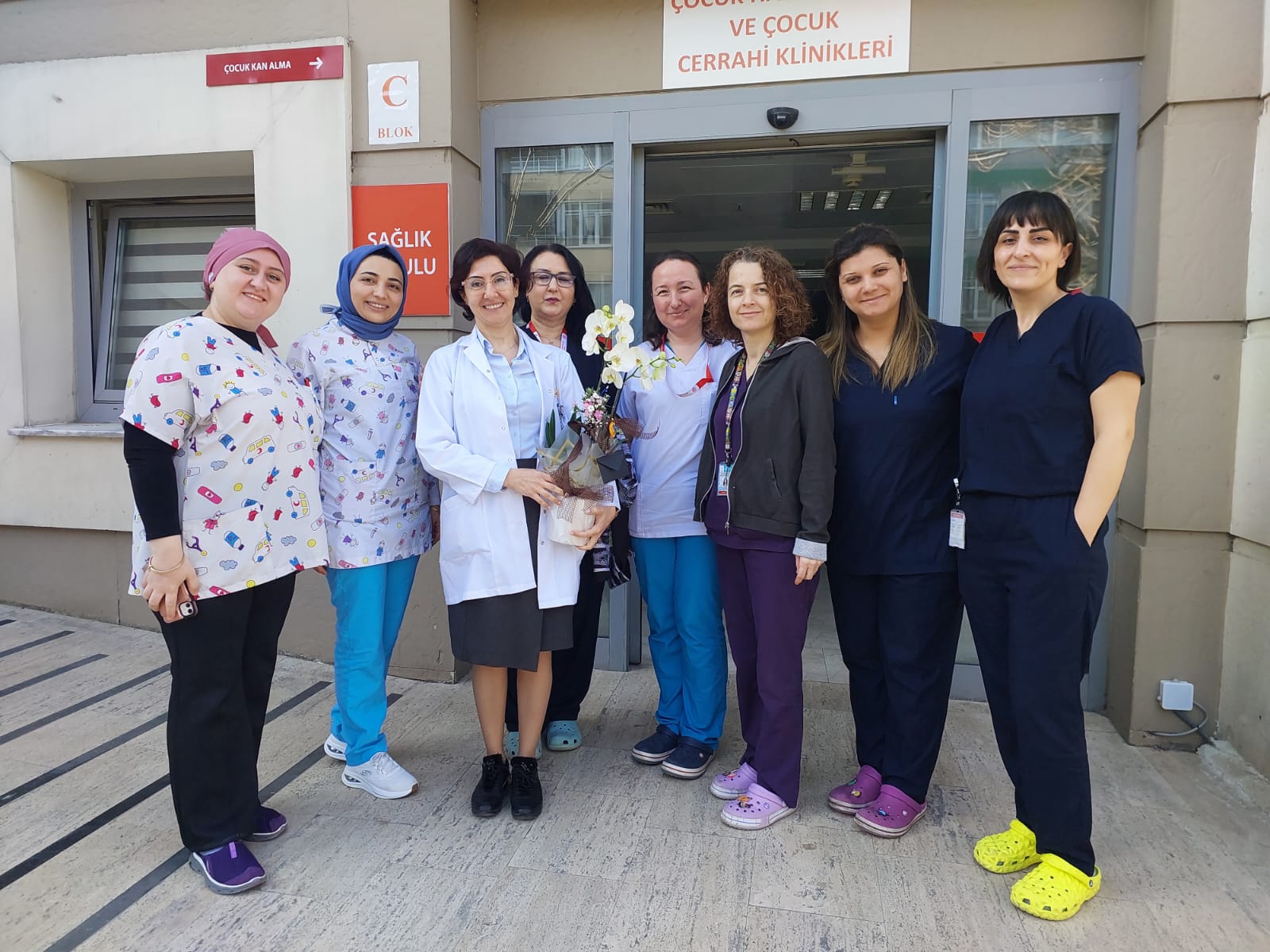
I’m Rabia Gönül Sezer Yamanel. I’m a pediatrician and a professor of general pediatrics. I work at a public university in Istanbul as a faculty member. My interest in amateur and recreational aviation began through the Sivrihisar Aviation Center. I received my Ultralight Pilot License in 2017. Today, I continue practicing medicine while flying as a hobby.
Where and when were you born, and can you tell us a bit about your family life?
I was born in Nizip in 1976. My education has always been in Istanbul. I graduated from Kadıköy Anatolian High School (1994) and Marmara University Faculty of Medicine (2000). I also completed my specialization in Istanbul. I still live and work in Istanbul. I’m married.
When did you first get into aviation?
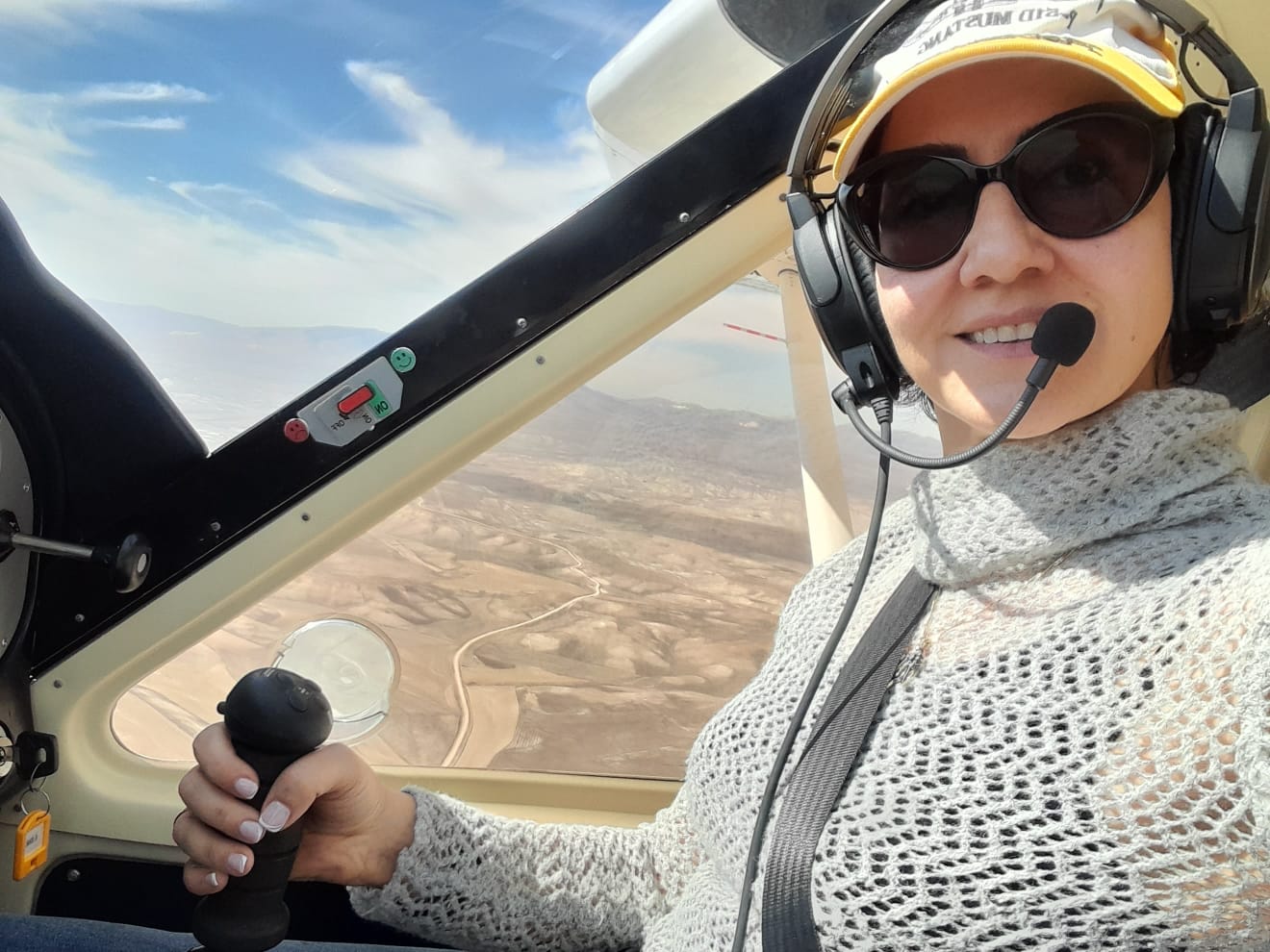
Aviation wasn’t exactly a childhood dream for me. I started attending events at the Sivrihisar Aviation Center in 2015 as a medical doctor, providing first aid for minor injuries, sunstroke, pain, etc. While watching the events, I eventually got to know the pilots and saw various types of aircraft. In 2016, during a Pilot Day event, instructor pilot Fevzi Ak offered to take me on a demo flight. That was my first time flying in an ultralight aircraft, and I immediately thought, “I have to do this.” In 2017, I got my license and eventually bought my own aircraft so I could fly sustainably.
When did you first board a plane, both as a passenger and as a pilot?
My first flight as a passenger was when I was very young. My family lived in Germany for a while due to my father’s language education. Though I don’t remember it, I was basically a baby on my first flight. I’ve always loved traveling and have taken countless domestic and international flights.
I earned my pilot license in 2017 at the Sivrihisar Aviation Center. The Ultralight Pilot License training lasted about six months, depending on weather conditions. After that came my first solo flight.
I’ll never forget the first time I took the controls as a pilot. The sense of freedom when you’re in control of the aircraft in the sky is indescribable.

What aircraft have you flown?
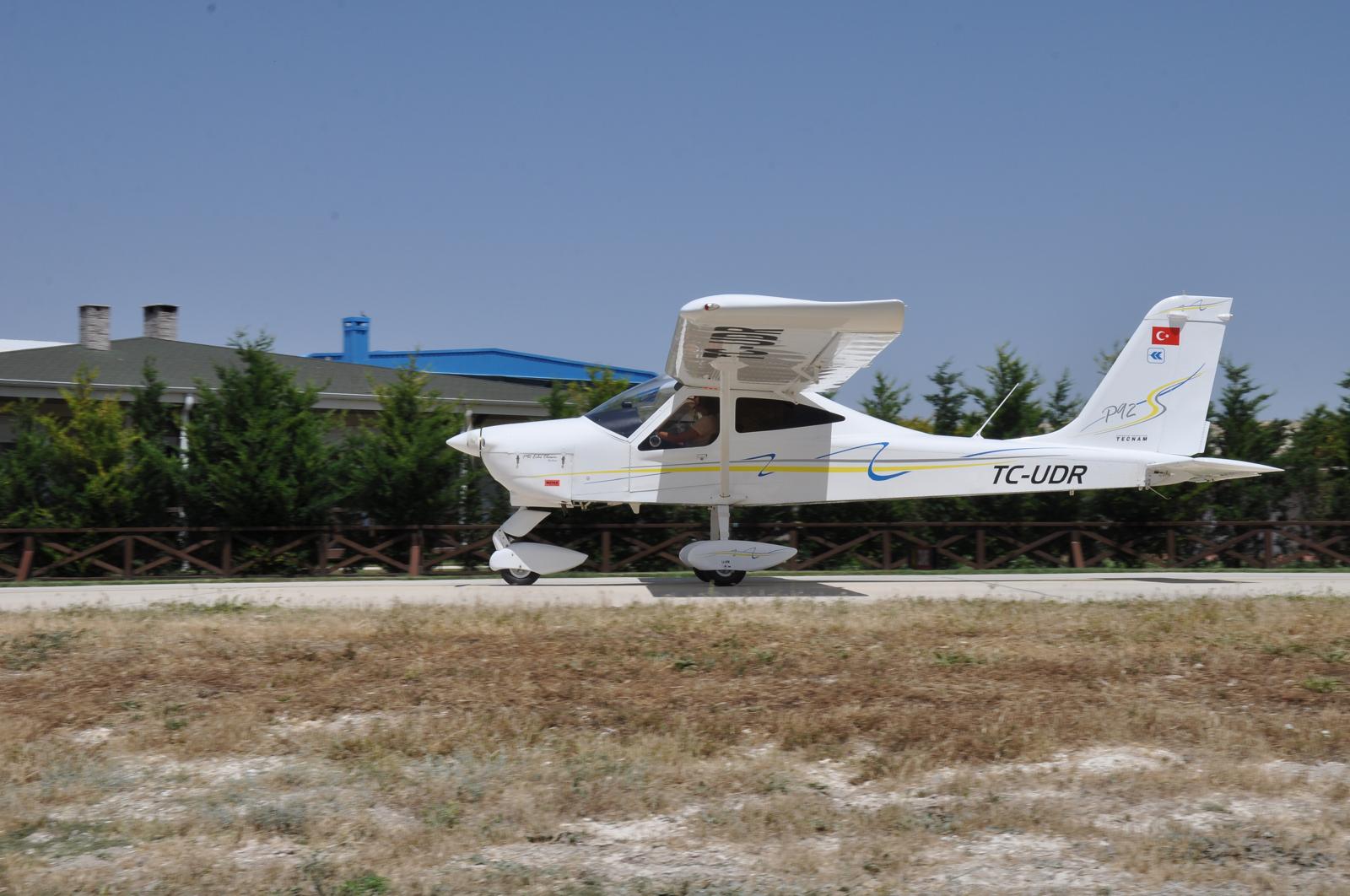
I trained on a Bristell ultralight aircraft. I now fly a 2009 Tecnam P-92 Echo de Luxe, which is my own plane.
I’ve also had the opportunity to see and even fly in various historic aircraft at the MSÖ Air & Space Museum. For instance, flying in the 1967 BELL UH-1H “HUEY” and the 1944 North American P-51D Mustang “Ferocious Frankie” was an incredible experience.
What’s your most interesting aviation memory?
It might not be unusual to others, but for me, my first solo flight and the post-flight “soaking” tradition were unforgettable. The excitement and feeling of freedom are unlike anything else.
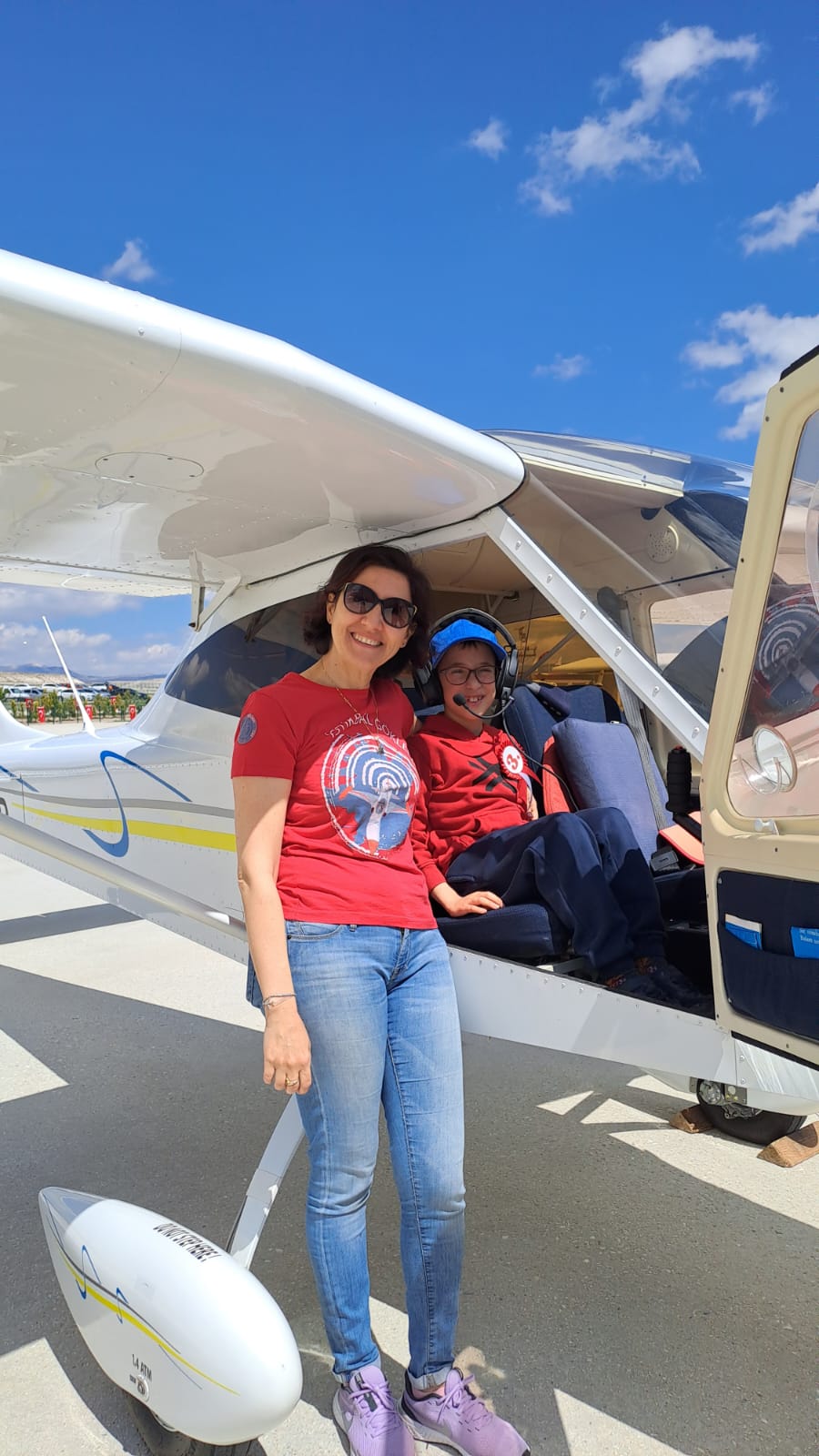
Can you tell us about the Women Aviators Association, which you co-founded?
We founded the Women Aviators Association in 2024. Inspired by Atatürk’s quote, “Heroic Turkish woman, you are worthy not of crawling on the ground, but of rising to the skies on shoulders,” our main mission is to enhance aviation culture among Turkish women. We aim to support all women interested in aviation and increase the number of female flyers as much as possible. Our charter reflects this purpose, and our association is open to everyone, regardless of gender. Our direction is toward the skies, just as Atatürk envisioned for Turkish women.
We want to spread aviation culture, make women’s presence more visible, and inspire the next generation of girls. You can follow our events on our website: https://www.havacikadinlar.org/ and our Instagram account.
What would you like to see in the future of aviation?
I envision a world of aviation where more women are in the cockpit, in technical teams, in control towers, and in decision-making roles. I want aviation in Türkiye to grow in both technical and human aspects.
I also hope aviation can be integrated more efficiently into disaster response in our country, like during earthquakes and wildfires.
For recreational aviation, I dream of a Türkiye where official procedures are simplified and supportive, where every city has accessible sports aviation hubs for landing, accommodation, and hangaring, not seen as a luxury, but as a daily hobby integrated into life.
Which female aviators do you see as role models, in Türkiye and globally?
In Turkish aviation history, Sabiha Gökçen has always been a huge inspiration to me. Her courage, forward-thinking, and boundary-breaking stance have always guided me.
In today’s world, I greatly admire aerobatic pilot Semin Öztürk Şener. Her discipline, passion for her craft, and systematic approach make her a true example of excellence.