
 Nöbetçi Eczaneler



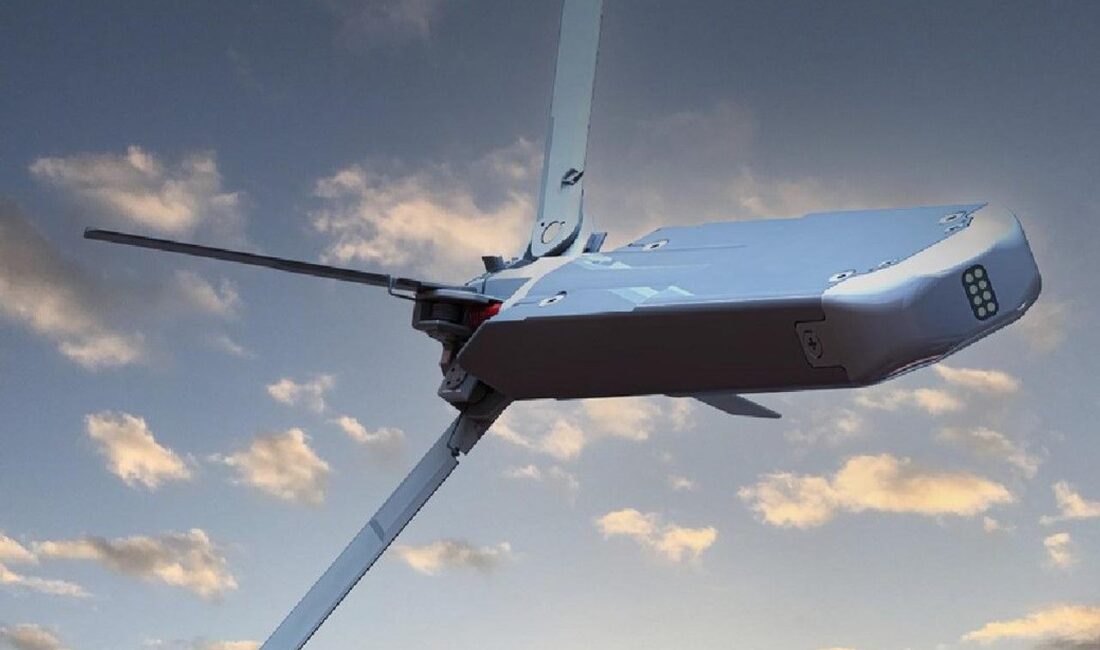
In recent years, battlefields have become home not only to tanks and soldiers but also to small yet deadly robots. Kamikaze drones—also known as loitering munitions—are among the most striking players in this new wave of warfare. These compact, remotely operated or autonomous vehicles approach their targets under the guise of reconnaissance and then sacrifice themselves by striking like a missile. But how are these small drones changing the course of war?
Why Are Kamikaze Drones So Effective?
Traditional airstrikes require high-risk missions with manned aircraft and costly missiles. Kamikaze drones completely alter this equation.
Here are the key factors driving their popularity:
-
Low Cost, High Impact: While a single F-16 fighter jet costs tens of millions of dollars, a sophisticated kamikaze drone is far cheaper. This allows militaries to purchase them in large numbers and deploy them widely. Because of their relatively low cost, the loss of a drone—whether due to a missed target or being shot down—does not translate into significant financial damage.
-
Stealth and Surprise: Thanks to their small size, many kamikaze drones are difficult for radar systems to detect. This stealth allows them to bypass enemy air defenses and approach targets undetected, making them ideal for surprise strikes.
-
Precision Strikes: Equipped with advanced cameras and sensors, kamikaze drones can hit targets with extreme accuracy. This capability helps minimize civilian casualties while effectively neutralizing critical military infrastructure such as radar stations and command centers.
A New Philosophy of War
-
The rise of kamikaze drones represents not just a new weapon but a shift in military strategy. These drones give armies greater flexibility and agility. The front line is no longer a clearly defined boundary; instead, it is a zone vulnerable to sudden drone swarms and attacks from both air and ground.
-
This trend is also forcing a rethink of defense systems. Traditional air defense platforms are designed to intercept large aircraft and missiles. Countering swarms of kamikaze drones, however, is a far greater challenge. As a result, new defense technologies such as laser weapons and electromagnetic pulse (EMP) systems may be accelerated in development.
What Lies Ahead?
-
The future of kamikaze drones is being shaped by autonomy and swarm technologies. Autonomous systems reduce reliance on human operators, while swarm tactics—where multiple drones coordinate attacks—expand their destructive potential.
-
Yet, these advances raise serious ethical and legal concerns. Fully autonomous weapon systems, where artificial intelligence decides matters of life and death, are already among the most debated issues in international law and human rights circles.
-
It seems inevitable that kamikaze drones will play a major role in the wars of the future. These small but powerful weapons are reshaping military strategy and redefining the nature of conflict itself—not just as tools of war, but as forces transforming the risks and realities of modern combat.