
 Nöbetçi Eczaneler



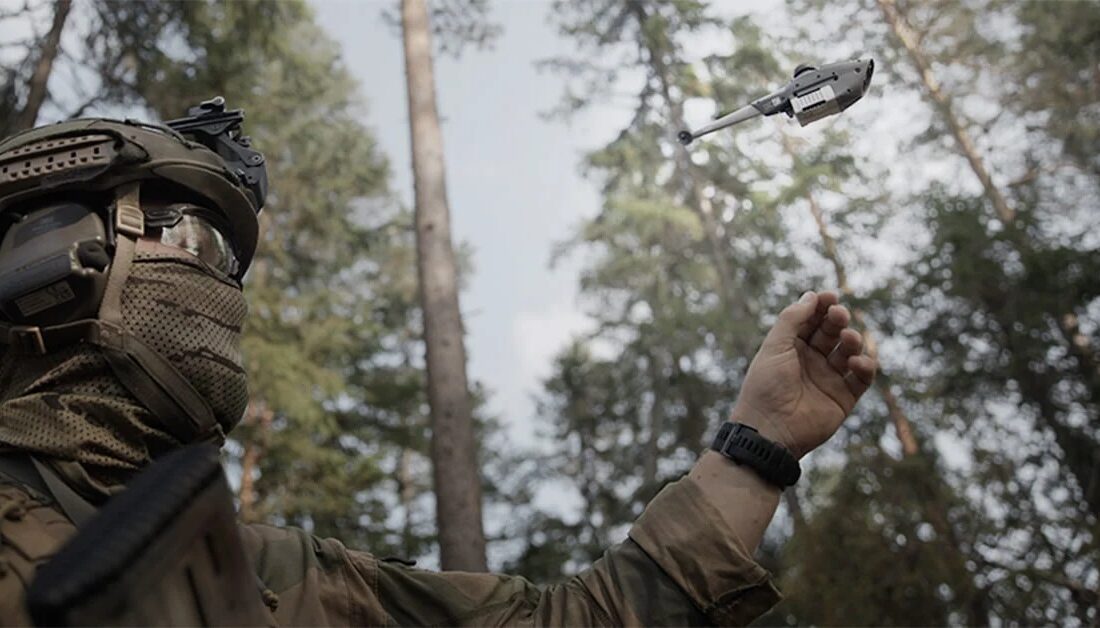
They fit in the palm of your hand, but they hold the power to transform the world. Micro and nano drone technologies are no longer limited to battlefields. These next-generation “pocket drones” are now infiltrating cities, homes, and even the human body. With their growing role in everything from reconnaissance and intelligence gathering to logistics and security, these mini UAVs are becoming a central focus for major tech powers.
How Small? How Powerful?
Nano drones typically measure less than 15–20 cm, while micro drones are palm-sized, ultra-quiet, and highly maneuverable. What’s most impressive isn’t their size, but the cutting-edge tech they carry:
-
High-resolution camera systems
-
Thermal imaging and audio sensors
-
GPS-enabled autonomous flight and target tracking
-
AI-based decision-making capabilities
In short: a pocket-sized super agent.
Micro UAVs in U.S. Defense: Black Hornet and Beyond
The U.S. military’s Black Hornet micro reconnaissance drone, developed by Norway’s Teledyne FLIR, leads the pack in military micro drone usage:
-
Weighs just 33 grams
-
Silent operation with 2 km live video range
-
Used with handheld controllers for indoor reconnaissance, hostage rescue, and covert missions
The U.S. Navy has also begun testing these in shipboard operations.
China’s Silent Leap: Micro Tech in the Shadows
With little publicly available data, China is quietly developing insect-like nano systems.
-
Micro flying robots developed by the Beijing Institute of Technology mimic insect wings
-
Designed for facial recognition and crowd monitoring, using “swarm” programming
-
Reports suggest they are already deployed in border surveillance and urban security
Nano-Intelligence From Israel: The Sparrow and GNAT Projects
Israeli defense companies Elbit Systems and Rafael have been investing in pocket agents since the 2020s.
-
Sparrow nano drone, reportedly used in Mossad operations and elite units
-
GNAT, another Israeli development, supports indoor mapping and target marking
These systems are also utilized in VIP protection and precision surveillance.
Pocket Drones in Civil Life: Amazon, Zipline, and More
Beyond military uses, the biggest leap in these technologies is happening in civilian life.
Amazon Prime Air
Amazon is building a fleet of micro drones under its Prime Air initiative to deliver small packages directly to homes. Pilot tests are already underway in select U.S. and UK regions.
Zipline
Operating in Rwanda and Ghana, Zipline uses micro drones to deliver blood, medicine, and lab samples, which are life-saving in remote areas.
Home Security
In the U.S., companies like Ring are developing flying mini security drones for home use. You can now command your drone remotely to patrol your home while you’re away.
Flying Into Controversy: Ethics, Privacy, and Surveillance
Micro drones bring new challenges along with opportunities:
-
Privacy concerns: Could an insect-sized drone peek through your window?
-
Regulatory gaps: How will air traffic authorities track these devices?
-
Weaponization risks: “Who controls them?” may shift global security balances
No comprehensive regulations yet exist for nano drones in the U.S. or Europe. However, international legal experts are raising concerns about autonomous, weaponized micro-drones.
Will Everyone Own a Drone One Day?
Most likely, yes. Not just soldiers, but also doctors, farmers, security personnel, and even students. Micro drones are moving out of the realm of sci-fi and into everyday life.
Soon, a statement like this might be completely ordinary:
“Wallet, phone… and drone—check!”