
 Nöbetçi Eczaneler


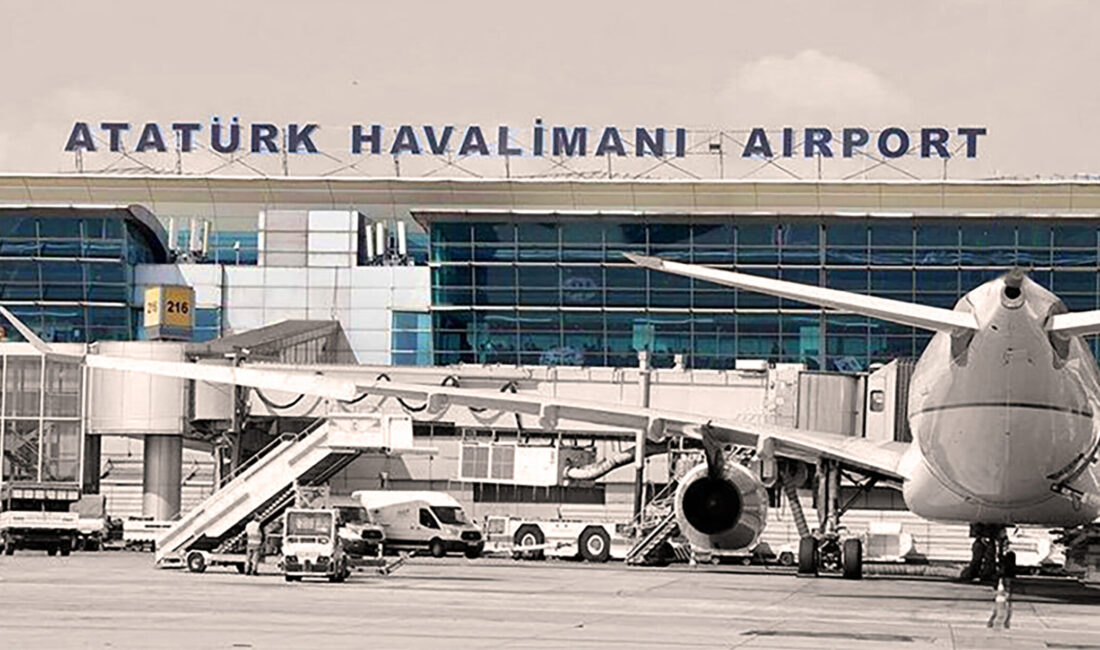
In 2002, during the early stages of my career, I was serving as Acting Duty Manager at Istanbul Atatürk Airport’s International Terminal when I received a call late at night from the parking lot. When I arrived, I encountered a few well-dressed individuals who had clearly just come from a business meeting. They didn’t have cash on them and wanted to pay by credit card. Unfortunately, that night our POS devices were out of service.
I asked for their business cards; when I saw they worked for corporate firms, I allowed them to exit and informed them that the invoice would be sent to their companies the next day. At the time, I wasn’t entirely sure if I had made the right call, but I decided to proceed, thinking that in the worst-case scenario, the fee would simply be deducted from my salary.
The next morning, after my shift, I explained the situation to our Deputy General Manager. He said, “Well done, you made exactly the right decision. I would have done the same,” offering his support. This approach became an important turning point that boosted my confidence at the very start of my career.
Throughout my professional life, I have made many decisions. For each, I’ve gone through a multidimensional evaluation process—analyzing risks and striving to implement the option that was both the most accurate and the lowest-risk. I have always been open to stakeholder opinions. Sometimes I trusted only my own insights; other times, I revised my decisions based on the feedback I received.
The most challenging decision-making moments arise in environments where many people are involved, each holding different perspectives. In such cases, individuals often care more about proving their own viewpoint right than about reaching a result. That’s when a leader must take the initiative and finalize the decision. Otherwise, long, unproductive meetings can result in significant wasted time.
Shortly after we took over operations at Skopje Airport, we noticed a large number of improperly parked vehicles in front of the terminal and along connecting roads. The fines issued had a limited deterrent effect, and, especially during peak hours, the traffic flow was heavily disrupted. To resolve this, we decided to implement a system widely used across European airports: installing barriers at the entry and exit points, allowing a 10-minute grace period for passenger drop-off and pick-up, and charging a higher fee than the parking rate if the time limit was exceeded.
Before making the decision, some of my team members expressed concerns that the system might cause chaos or that rare, exceptional cases could create problems. Nevertheless, we moved forward with determination. We issued a clear public announcement through the media before implementation. The day before the system went live, I counted 150 improperly parked vehicles around the terminal and connecting roads. The day after the launch, the roads were completely clear. The system quickly began working effectively: short-term visitors dropped passengers off and left immediately, while those staying longer opted to use the parking lot.
We carried out a detailed analysis, anticipated possible outcomes, and accepted the low-risk scenarios as manageable. We had already planned the actions to be taken in case any risks materialized. As a result, we achieved smooth traffic flow and introduced a practice that was met with satisfaction.
In decision-making processes, there will always be those who take a negative view. Some focus only on risks while overlooking the conveniences to be gained. In such cases, if your decision is backed by solid analysis, calculated risks, and your own inner conviction, don’t hesitate to move forward on the path you believe is right.