
 Nöbetçi Eczaneler


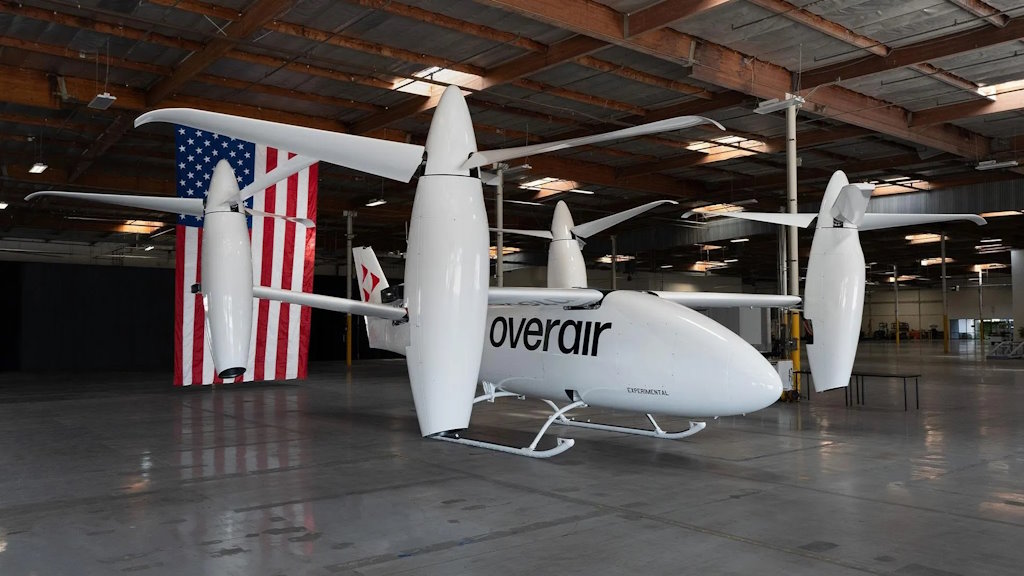
Overair’s future has taken a hit after losing both capital and its main investor, Hanwha Aerospace. According to Forbes.com, the Southern California-based eVTOL developer had once grown to 180 employees but has now shed the majority of its workforce. Hanwha, having invested around $170 million, pulled back due to slower-than-promised progress on Overair’s first prototype.
Founded in 2019 as a spin-off of Karem Aircraft, Overair was built to advance optimal speed tiltrotor (OSTR) technology for its Butterfly quadtiltrotor air taxi. Under CEO Ben Tigner, the company introduced several notable innovations, such as a swashplateless rotor system with individual blade control (IBC) using electromechanical actuation, and slow-turning rotors designed to cut noise.
Overair rolled out its full-scale, uncrewed prototype in December 2023, with plans for a first flight earlier this year, plans that have since stalled. The Air Current reported on August 7 that Hanwha has booked an anticipated $100 million loss and confirmed there will be no further investment.
In reality, signs of trouble had been visible for a year. Overair was gradually losing top talent, from communications leads to senior regulatory and program directors. While the company is now seeking new investors, its survival remains uncertain.
Our Take:
This outcome is disappointing but not surprising given the steady talent drain. We hope the market won’t lose more companies or expertise; fewer players mean less competition, smaller market share, and reduced visibility for the growth of Advanced Air Mobility (AAM). The sector thrives on diversity and innovation; consolidation at this stage risks slowing that momentum.