
 Nöbetçi Eczaneler




One of the most striking examples proving that size is no longer always an advantage on the modern battlefield is the rise of Loitering Munitions, also known as suicide drones or kamikaze drones.
These small, quiet, and deadly systems are no longer just tools in the field; they are now at the heart of military strategies. In fact, some argue that the tactical game-changer of the 21st century has already arrived.
What Are Loitering Munitions?
Loitering munitions are launched like reconnaissance drones, circle above a specific area for a period of time, and then once a target is detected, dive in and destroy it like a missile. They combine reconnaissance and attack capabilities on a single platform.
It may sound like science fiction, but these systems are already active in the arsenals of many modern armies. Their low radar signature and silent maneuverability make them particularly lethal.
Why Are They Strategically Important?
The impact of these systems goes beyond technology; they’re forcing a shift in military doctrines. Here’s why:
-
Preemptive Strike Capability: They can strike from very close to the target, reducing reaction time.
-
Low Cost – High Impact: Far more economical compared to fighter jets or tanks.
-
Real-Time Decision Making: Thanks to image processing and AI, they can identify a target and strike within seconds.
-
Asymmetric Power Shift: Even actors without conventional military power can now deliver serious blows.
Combat-Proven Examples
Nagorno-Karabakh War (2020)
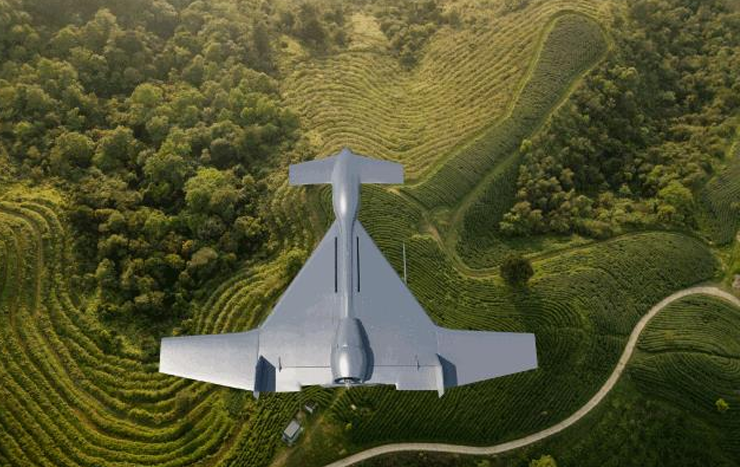
During the conflict between Armenia and Azerbaijan, Israeli-made Harop loitering munitions played a key role. Azerbaijan used them to precisely destroy radar systems and artillery units, rendering traditional defense systems obsolete in a matter of days. This war clearly demonstrated their effectiveness in modern combat.
Russia–Ukraine War (2022 – ongoing)
Both sides have relied heavily on loitering munitions. The U.S.-made Switchblade 300 and 600 models have been a critical asset for Ukrainian forces, while Russian-made ZALA Lancet drones have gone viral for their high-precision strike videos.
-
Switchblade 300: Small enough to be carried in a backpack by infantry units. Perfect for surprise attacks.
(More info: Switchblade 600 – AVINC)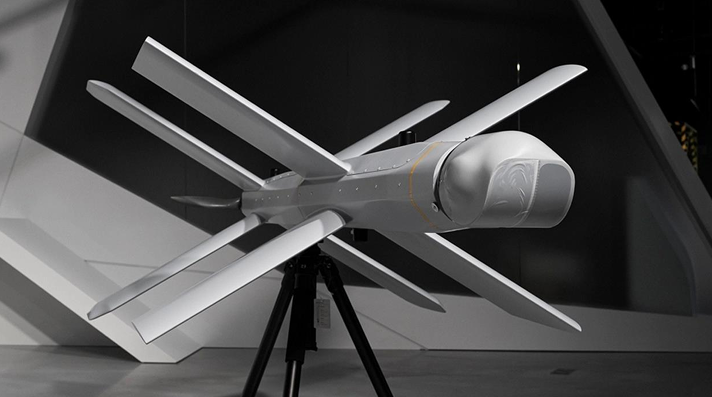
-
ZALA Lancet: Uses image recognition to destroy tanks and radar positions within minutes. Strike footage frequently goes viral on social media.
Advantages, Risks & Ethical Dilemmas
With their rise, loitering munitions bring not just benefits, but serious questions:
-
How Much Can We Trust Autonomy?
What happens if AI misidentifies a target? Who is accountable if civilians are harmed? -
Democratizing Weapons or Spreading Chaos?
Their low cost increases the risk of their falling into the hands of non-state actors. A “backpack-sized” weapon system could allow terror groups to carry out sophisticated attacks. -
Can International Law Keep Up?
Loitering munitions make split-second decisions, unlike traditional missile systems. Current international laws may struggle to define their use.
A New Era Begins
Loitering munitions aren’t just a tech innovation; they are rewriting the rules of warfare. They are reshaping asymmetric power balances and enabling smaller, smarter forces to rival traditional military giants.
In the battlefields of tomorrow, it may not be aircraft carriers or tank divisions that dominate, but autonomous drones, silent and precise, that can fit in a backpack and strike without hesitation.
And we’re only at the beginning of this transformation.