 Nöbetçi Eczaneler


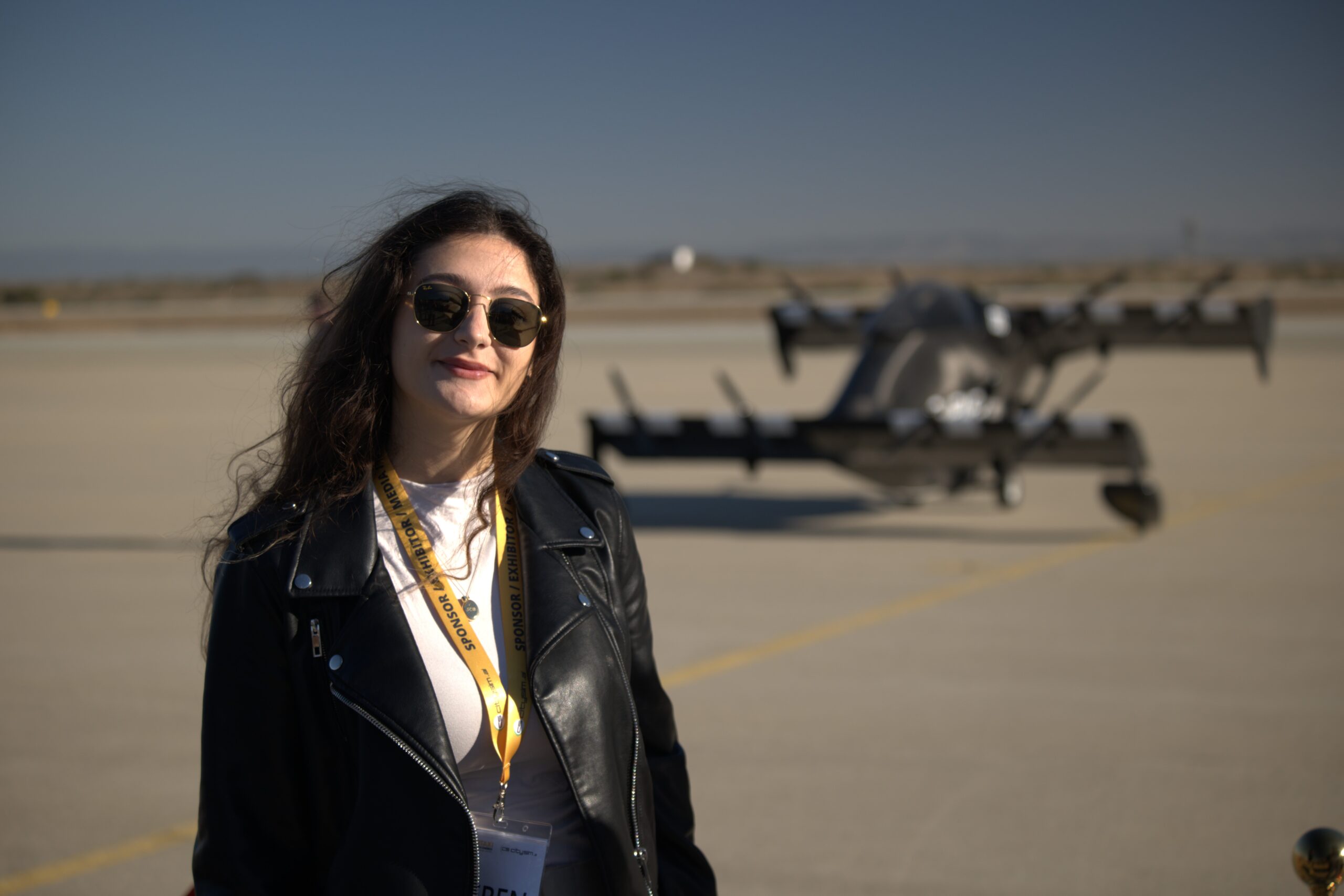
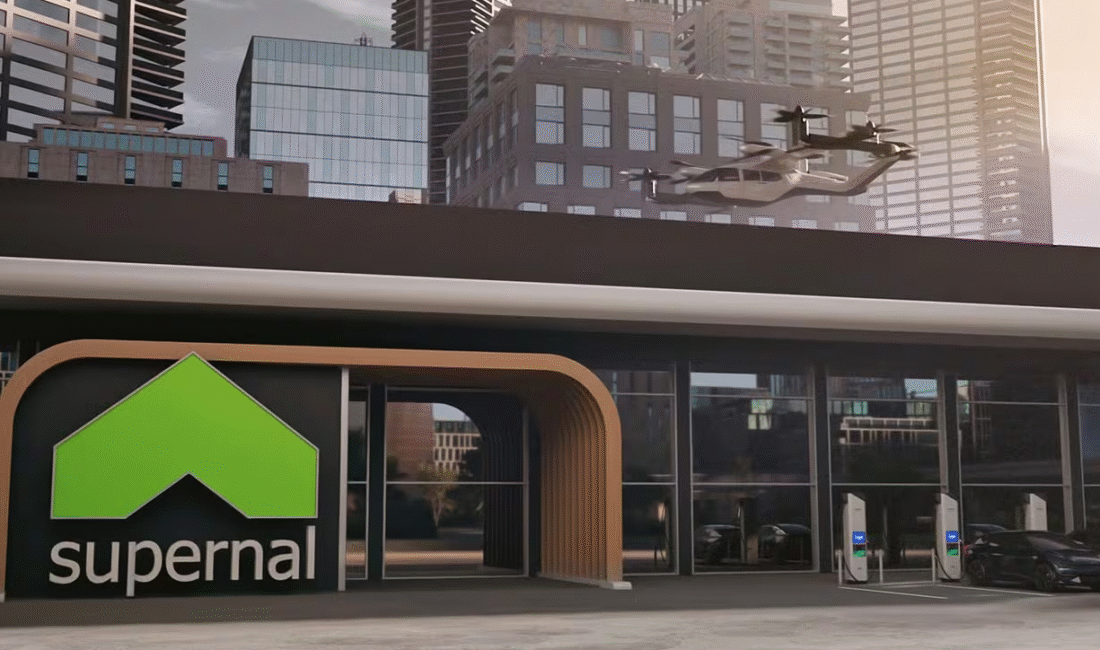
Supernal, Hyundai’s U.S.-based advanced air mobility subsidiary established in 2021, recently laid off around 53 employees, roughly 8% of its workforce. The company, which has attracted talent from aerospace giants like Boeing and Lockheed Martin, is developing an electric air taxi intended for commercial use by 2028. In a message to staff, Supernal stated that the layoffs were made “to align with long-term strategic goals.”
The move is part of a broader strategic shift by Hyundai Motor Group, which has invested trillions of Korean won into early-stage technologies in recent years. However, escalating R&D costs, delays in commercialization, and limited short-term returns have led to reevaluations across the board. Hyundai’s autonomous driving joint venture, Motional, reduced its workforce last year. Similarly, Boston Dynamics, the robotics company acquired in 2021, cut 5% of its staff earlier this year. Supernal’s job cuts are the latest sign that Hyundai is tightening operations in its next-generation tech portfolio.
All three of these ventures, Supernal, Motional, and Boston Dynamics, face the challenge of high development costs, delayed market readiness, and the absence of immediate revenue. Additionally, rising competition from Chinese automakers and growing trade tensions, particularly in the U.S., Hyundai’s largest overseas market, are putting added pressure on the group to focus on profitability and sustainable growth.
Supernal’s air taxi, which is being designed to carry four passengers and one pilot at speeds of up to 190 km/h, is still in the development phase. To keep pace with global competitors, Supernal has partnered with Europe’s BAE Systems and continues to invest heavily in R&D. Still, despite this significant investment, the company has not yet entered commercial operations or generated revenue.
Hyundai’s other future mobility projects face similar hurdles. Motional, a 50-50 joint venture with U.S. firm Aptiv PLC, has recorded cumulative losses of over 2 trillion won ($1.45 billion) since its launch in 2020. After Aptiv signaled its intention to exit the venture in 2023, Hyundai took over Aptiv’s stake to ensure continuity. However, despite Motional’s technological progress, regulatory and technical barriers mean full autonomy remains years away.
Meanwhile, Boston Dynamics, known globally for its robotic innovations such as its four-legged robot dog, has struggled financially. The company reported a net loss of 440.5 billion won (approximately $319 million) in 2024, marking another year of widening deficits since the Hyundai acquisition.
In August 2024, Hyundai Motor Group unveiled its ambitious long-term strategy, “Hyundai Way,” which pledged 22 trillion won (about $16 billion) over the next decade to future mobility and robotics. However, internal reviews are now underway, and adjustments, including possible restructuring, are on the table.
Despite record profits from its core businesses—Hyundai Motor, Kia, and Hyundai Mobis—Hyundai is navigating increasing external pressures, including fluctuating global demand, tariffs, and ongoing supply chain risks. These challenges have led the group to refocus on projects with clearer near-term returns.
Capital priorities are also shifting. In March 2025, Hyundai committed to investing $21 billion in the U.S. over the next four years during a meeting with President Donald Trump. Part of this includes a major 8 trillion won ($5.8 billion) steel plant project in Louisiana, signaling a pivot toward more immediate infrastructure development.
Hyundai’s strategy shift mirrors a broader trend in the automotive industry. For instance, General Motors scaled back its self-driving unit, Cruise, after investing over $10 billion. As one industry expert put it:
“The auto industry is navigating a convergence of major disruptions, from the EV transition to a temporary demand plateau. It’s a time for pragmatic decisions and smarter resource allocation.”
As Hyundai adapts its course, the message is clear: long-term innovation remains a goal, but near-term stability is now the priority.
Source: Lee Jeong-gu,