 Nöbetçi Eczaneler


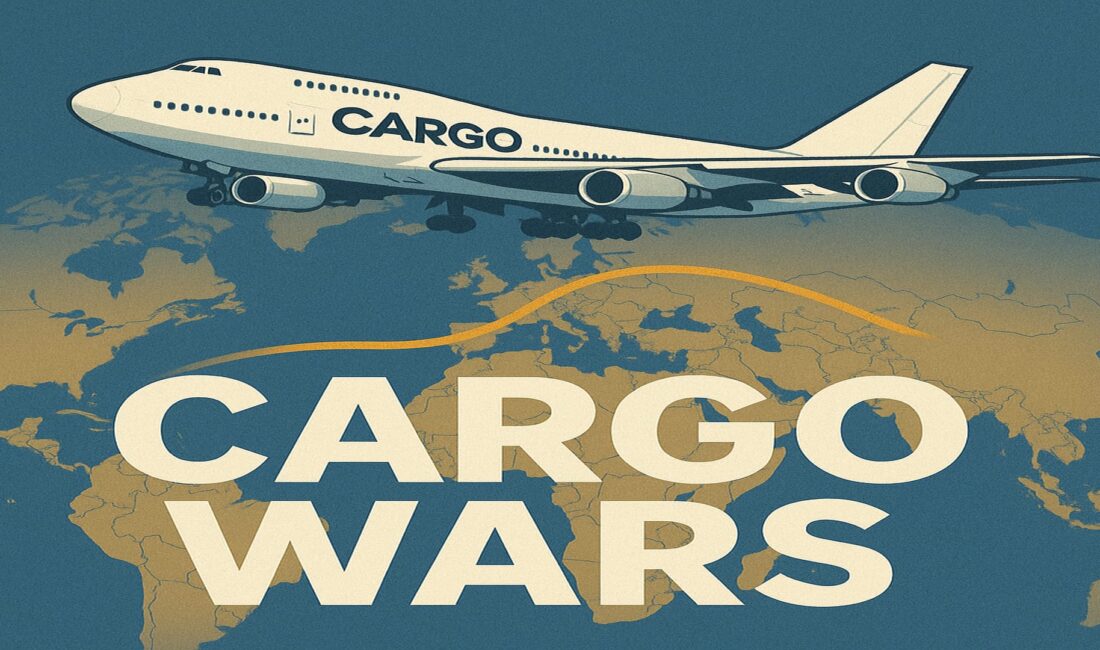
A quiet yet powerful battle is underway across the skies and between continents. As the traditional Silk Road faces mounting political and logistical challenges, new alternative corridors are emerging. From the Middle Corridor that stretches across Central Asia to newly established trade routes via the Middle East, a fierce yet largely silent competition is taking shape.
But this isn’t just about moving goods — it’s a regional and sectoral battle, a race where airlines, airports, and fuel companies are vying for dominance in the next era of global logistics.
New corridors, new centers of power
As China’s dominance over the traditional Silk Road comes under scrutiny, the world is diversifying with new pathways:
-
The Middle Corridor connects Asia to Europe through Central Asia and Turkey, bypassing Russian and Chinese influence.
-
The Middle East is rapidly becoming a critical hub by building new logistics infrastructures that link the Gulf to Europe and Africa.
These new routes are more than just alternatives; they are the frontlines of a new struggle for influence and economic power.
The United States supports these developments as part of a strategy to curb China’s control over global trade routes. At the same time, countries in the Middle East and Central Asia are racing to become key players in this evolving logistics landscape. What was once a matter of transporting cargo is now a contest of influence, speed, and superiority.
Airlines: from passenger carriers to cargo giants
Once focused solely on passenger transport, airlines are now making serious investments in cargo operations. Major carriers are expanding their cargo fleets, converting wide-body passenger aircraft for cargo use, and launching dedicated cargo routes.
The competition is fierce, and airlines recognize that controlling these corridors means gaining access to a rapidly growing market driven by e-commerce, shifting manufacturing bases, and geopolitical realignments.
Middle Eastern carriers, European cargo specialists, and even smaller regional players are aggressively positioning themselves. They’re optimizing flight paths, increasing frequencies, and forming partnerships with local authorities to claim their share of what could become the world’s busiest trade routes.
Airports: The race for cargo super hubs
Airports are becoming key players in this new battle. No longer just passenger hubs, they’re now competing to become indispensable cargo centers. Massive investments are being made in dedicated cargo terminals, customs processes are being streamlined, and multimodal connections (air, road, rail, and sea) are being developed.
Airports in Turkiye, the Middle East, and Central Asia are standing out in this race thanks to their geographic advantages. Located at the crossroads of the Middle Corridor, they are becoming critical nodes in the emerging global supply chain.
The prize? Billions in revenue and a permanent seat at the global trade table.
Fuel companies and new players enter the arena
Surprisingly, it’s not just airlines and airports competing; fuel companies are also entering the race.
Securing long-term fuel contracts with cargo airlines and offering specialized aviation fuel services at strategic airports are becoming lucrative revenue streams.
Technology firms, logistics software providers, and even regional governments are moving quickly to claim a stake in this rapidly expanding ecosystem.
This isn’t just about cargo, it’s a global strategy
Controlling cargo routes today is about more than just economic gains.
It’s about reshaping regional influence, securing supply chains from political risks, and defining the power dynamics of the coming decades.
Aviation — with its airlines, airports, and critical fuel logistics- is at the heart of this transformation.
Final words
The race beyond the Silk Road has begun. New corridors are opening. New players are rising. And aviation is emerging as one of the most critical battlegrounds where the future of global trade , and influence will be decided.
In this new era of cargo wars, those who control the corridors will shape the world.