
 Nöbetçi Eczaneler



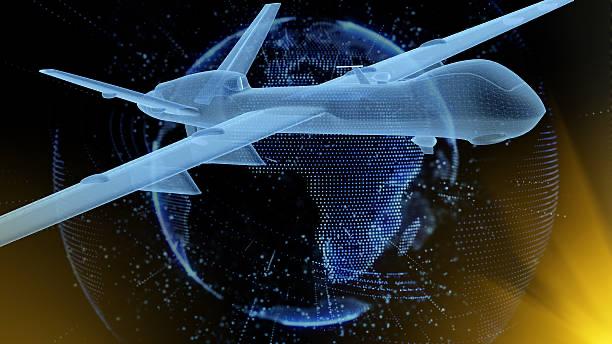
For centuries, the sky has been a strategic arena for states. However, the technological transformation of recent decades has fundamentally redefined this domain.
Air superiority is no longer measured solely by fighter jets or radar systems; unmanned aerial vehicles (UAVs) have emerged as the “invisible actors” shaping new geopolitical values.
UAVs are not just about projecting armed power; they also play a critical role in intelligence gathering, border security, and logistics operations. Thanks to their cost-effectiveness and flexibility, these systems are reshaping the defensive and offensive strategies of states. A small UAV fleet can now execute missions faster, cheaper, and with less risk compared to traditional air forces.
Trends in the international arena show that UAVs have become a strategic power asset not only for major powers but also for medium and small-scale nations. A new kind of “sky arms race” has begun; countries investing in drone technology are gaining high deterrence and operational capability at a fraction of the cost. Particularly, autonomous and AI-assisted UAVs are transforming the battlefield into a digital accelerator, enhancing both the speed and precision of operations.
However, this new “oil” also carries significant risks. Systems vulnerable to cyberattacks, potential loss of control, and ethical dilemmas could limit the strategic advantage of UAVs. Moreover, international law and airspace regulations have yet to catch up with this technological evolution, a gap that increases the risk of tension and conflict among states.
In summary, UAVs have become one of the most valuable strategic assets of our time. For modern states, air superiority no longer means merely having traditional air forces; it now requires effectively planning and managing unmanned air dominance. The sky may not be a new energy source like oil, but in terms of its role in shaping global power balances, it’s no less vital.