
 Nöbetçi Eczaneler



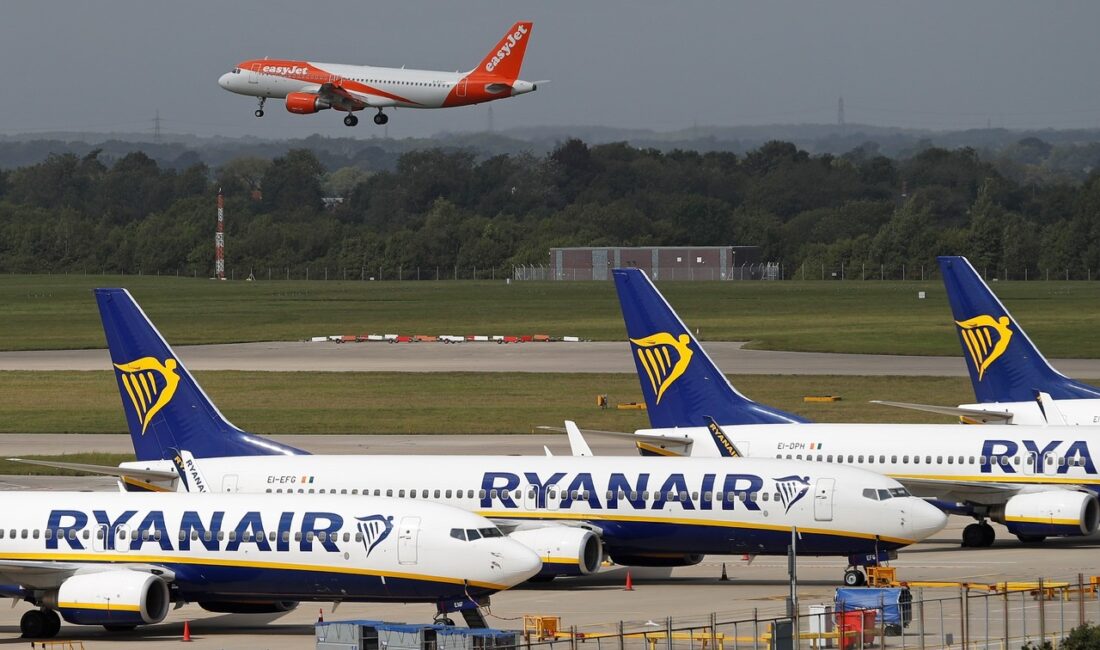
After reading many complaints about low-cost airlines, I realized that passengers still don’t fully understand the difference between full-service carriers and low-cost carriers (LCCs). These are two completely different business models.
Full-service airlines include many services in the ticket price. Whether you use these services or not, you still pay the full fare. Low-cost airlines, on the other hand, allow you to choose and pay only for the services you want. For example, if you’re not checking in luggage, that fee won’t be added to your ticket. If you don’t plan to eat on board, you can skip that option and save money. In short, by removing the services you won’t use, you can fly for a lower fare.
On the other hand, low-cost airlines have changed our habits in order to reduce their costs and offer more affordable tickets. They encourage passengers to check in online. If you handle check-in at the airport, you may need to pay an extra fee, although not all low-cost airlines do this. To cut costs, these airlines promote online check-in, self-check-in, and self-bag-drop systems, allowing passengers to complete most of these processes on their own. They also avoid installing certain onboard systems that aren’t essential for flight.
Meanwhile, full-service airlines have also started offering different fare options. You can now choose between ticket packages that include or exclude certain benefits, such as baggage allowance, flight change flexibility, or free seat selection, depending on your preferences and budget.
When Wizz Air representatives visited the airport where I worked, we initially kept our distance, worried they might disrupt the market. But one sentence they said has stayed with me:
“We’re not going to steal passengers from other airlines; we’ll create new ones.”
At that time, Austrian Airlines operated flights between Skopje and Vienna, while Wizz Air launched a new route between Skopje and Bratislava. One of my colleagues predicted, “Austrian Airlines will pull out of the market next year,” but I disagreed. By the end of the first year, Austrian Airlines carried the same number of passengers as the previous year, while Wizz Air had created an additional 30,000 passengers. The following year, both airlines increased their passenger numbers.
Low-cost airlines have significantly contributed to the growth of air travel. They made short backpacking trips and weekend getaways more appealing, and, most importantly, created flying opportunities that don’t break the budget.
Going forward, both full-service and low-cost airlines will continue developing and offering new service models and pricing packages that reflect passengers’ changing needs and expectations.