
 Nöbetçi Eczaneler


Tourist numbers are rising. Flights are increasing. Hotels are full.
But is Istanbul producing culture at the same pace?
As symbolic venues close one by one and experience is replaced by consumption, is the spirit of Istanbul quietly fading in this new tourism order?
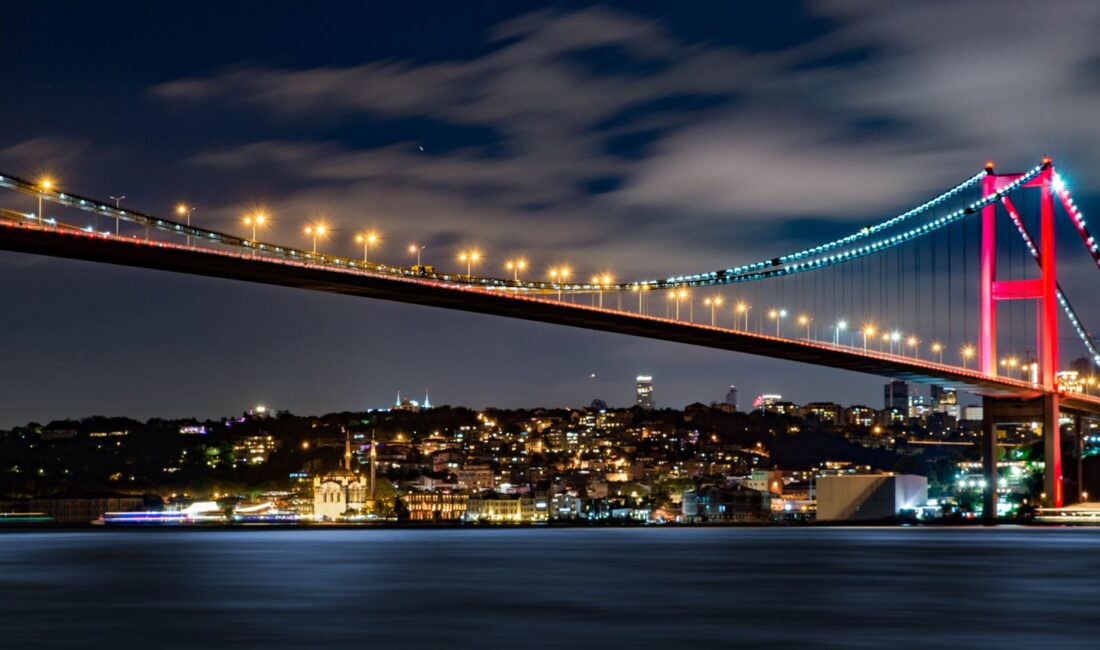
Today, Istanbul is among the world’s most visited cities. International reports show millions of foreign visitors each year. The city has become one of the busiest global aviation hubs, generating a massive tourism economy through airports, cruise terminals, and hotels.
The numbers look impressive.
But once you step onto the streets, walk through neighborhoods, and blend into daily life, a more unsettling question arises:
Is Istanbul truly growing richer or simply being sold?
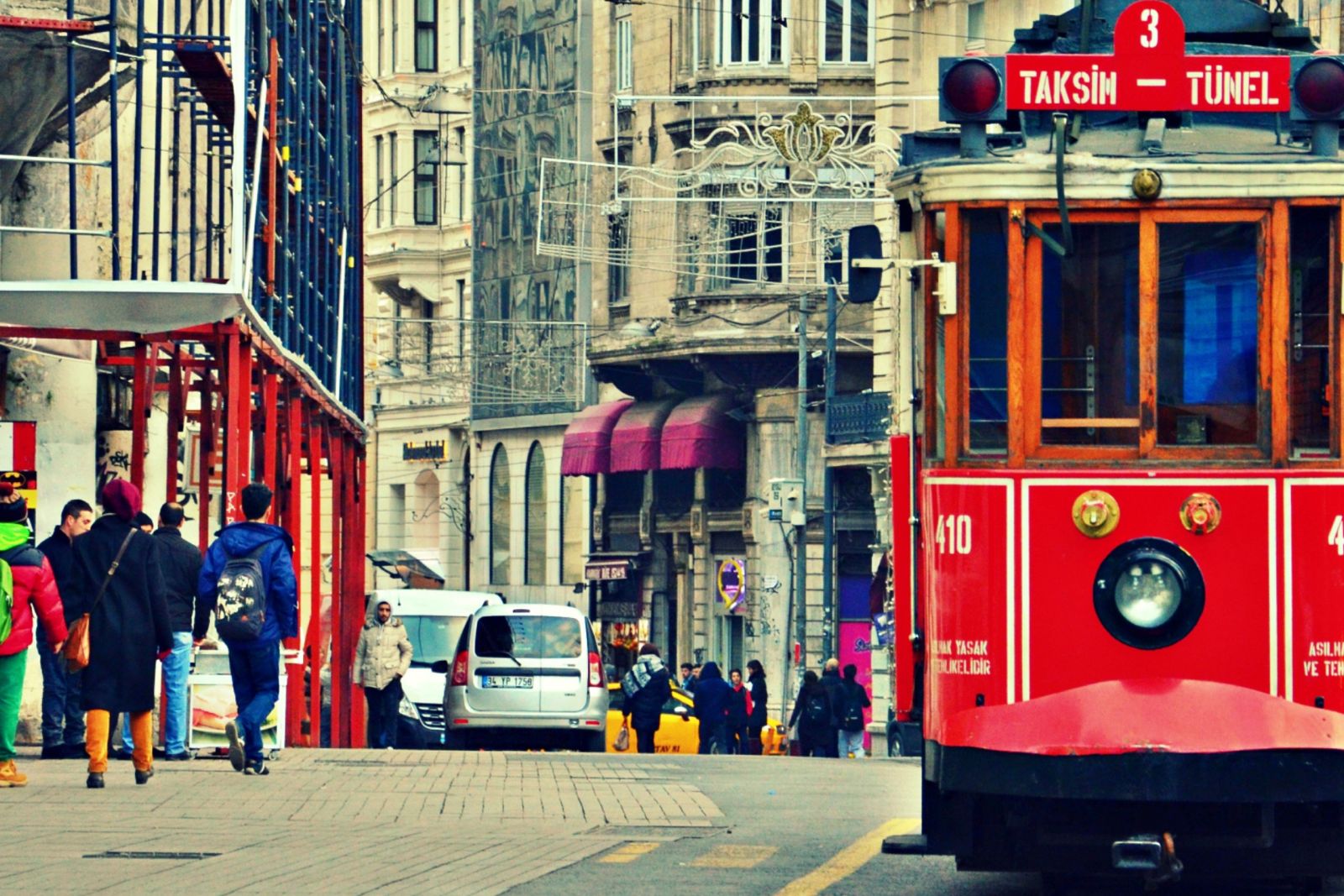
In recent years, the transformation in Istanbul has not only been architectural, but cultural. From Beyoğlu to Kadıköy, Karaköy to Sultanahmet, many symbolic spaces that once carried the city’s memory have either closed or changed function.
Bookstores give way to souvenir shops. Cinemas turn into chain restaurants. Traditional neighborhood taverns become themed “show venues.”
This is not just a nostalgic loss; it signals a shrinking of the city’s cultural production capacity.
Tourism statistics paint a strong picture: visitor numbers grow, accommodation capacity expands, and flight networks intensify. Yet tourism spending increasingly concentrates in shopping malls, branded restaurants, short-lived experiences, and fast-consumption spaces. Meanwhile, cultural venues, independent stages, local producers, and neighborhood economies receive little share of this growth. Tourism does not spread across the city; it compresses into commercial pockets.
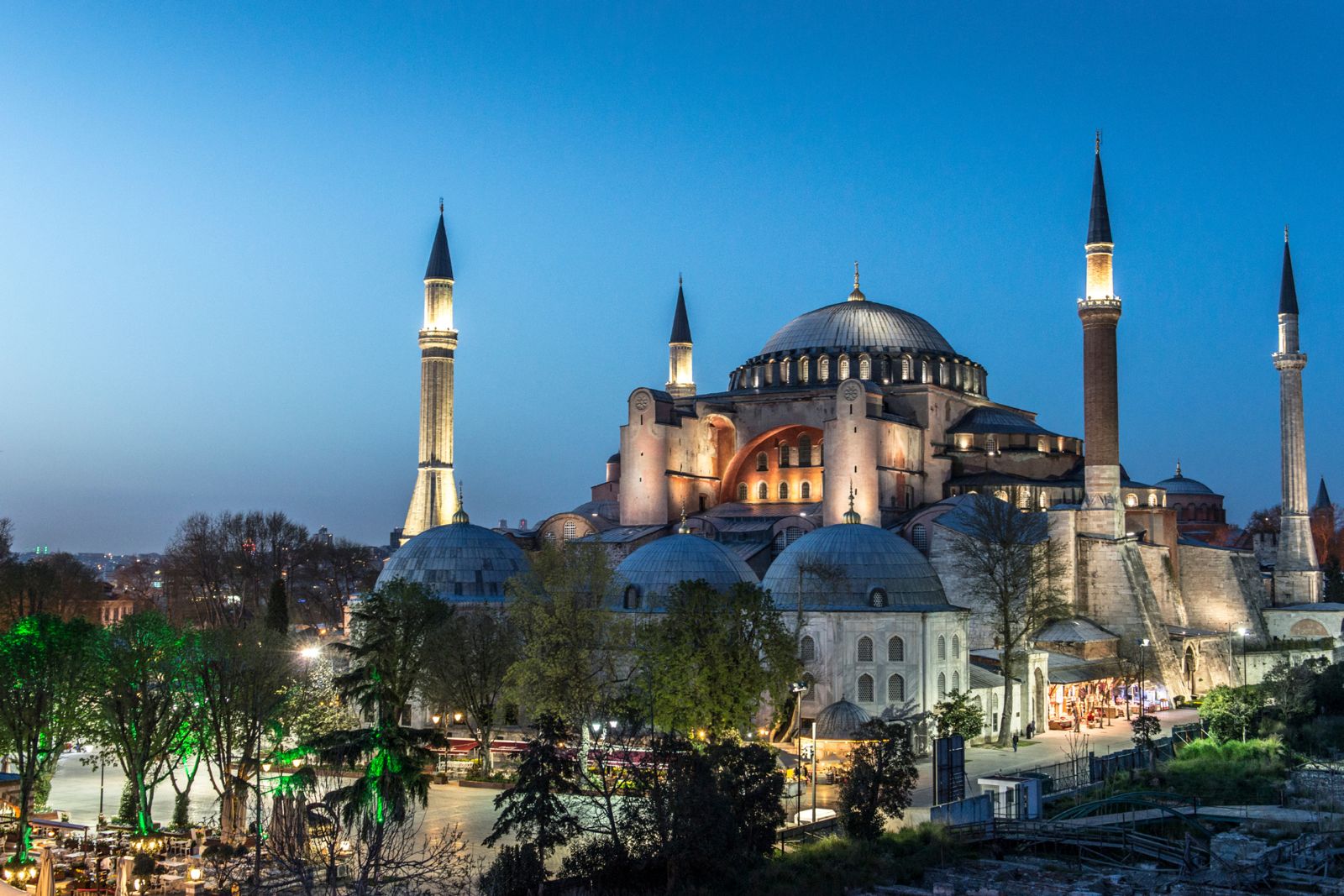
The new tourist profile has become one of the most visible drivers of this shift. Visitors arrive for shorter stays, follow dense schedules, and favor packaged consumption over deep experience. A few hours in the historic peninsula, one evening along the Bosphorus, an afternoon in a mall, a rooftop sunset.
Istanbul is becoming a city of rapid circulation, not long discovery. Its multilayered identity risks being reduced to a surface-level showcase.
Yet what truly made Istanbul Istanbul was not only its architecture and history, but its streets, social life, entertainment culture, and everyday human texture.
Today, in many districts, urban culture is no longer something lived but something displayed. Neighborhoods turn into scenery rather than living spaces. This accelerates cultural erosion.
The Pressure of Short-Term Visitors
From the perspective of urban sociology and tourism economics, this is not accidental. Many global cities face the same crossroads. Overtourism, short-term visitor pressure, and rapid commercialization weaken local identity, push cultural production to the margins, and make cities increasingly similar.
Istanbul’s difference lies in its profound historical and cultural depth, which makes the risk far greater. Istanbul is not merely a destination. It is a crossroads of civilizations, a lived practice, a cultural basin.
Is a Solution Possible?
Yes but only with a shift in mindset.
First, Istanbul’s tourism strategy must evolve from quantity to quality. The city needs fewer mass visitors — and more engaged travelers. Culture-focused, thematic, deep routes should be redesigned around literature, music, gastronomy, craftsmanship, minority heritage, and neighborhood life. The city must be presented not just as a checklist of sights — but as a collection of stories.
Second, protection of symbolic venues must expand beyond historic buildings to include cultural function. A bookstore, a theater stage, a cinema, and a workshop contribute value beyond rent per square meter. These spaces must be recognized as cultural infrastructure and supported accordingly.
Third, the tourism economy must build stronger ties with local producers. A model where neighborhoods outweigh chains, stories outweigh shop windows, and experience outweighs fast consumption. Istanbul’s true power lies in its authenticity and without protecting this, its brand value will not remain sustainable.
The aviation sector, tour operators, local authorities, cultural institutions, and content creators must converge around a shared vision. Making Istanbul not just a “highly flown-to” city, but a “deeply explored” city will strengthen both tourism revenue and cultural continuity.
Perhaps Istanbul has not sold its soul yet.
But it has certainly placed it in the shop window.
The question remains:
Will the city find its way back to itself or become a place everyone visits, but no one truly knows?
Only time will answer.