 Nöbetçi Eczaneler



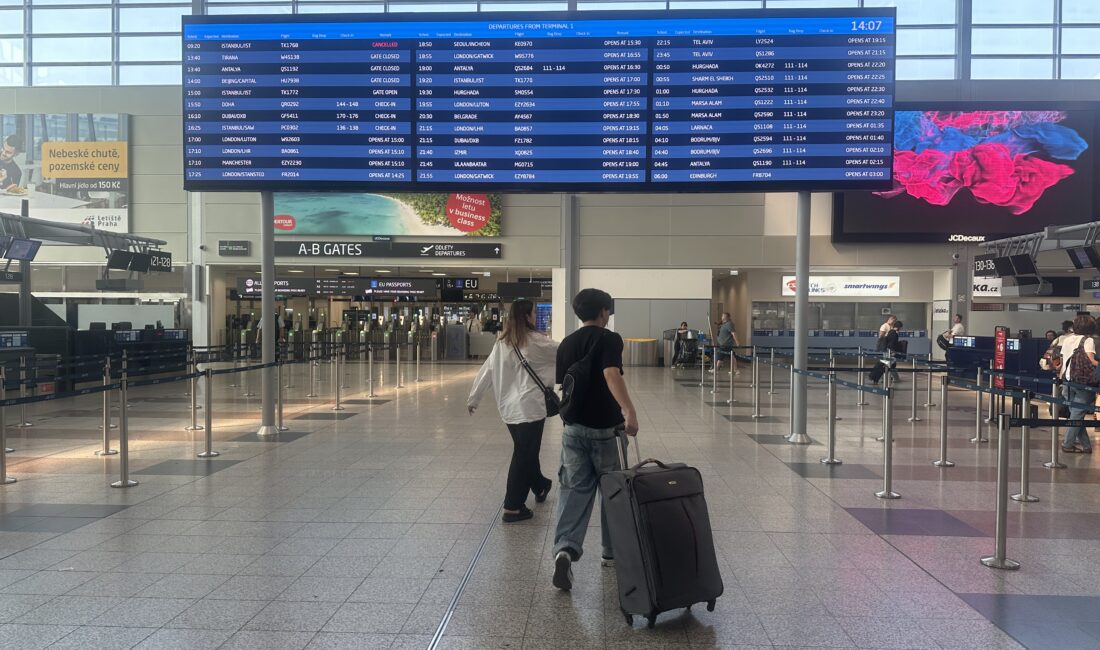
As global air traffic rebounds post-pandemic, airlines and airports are facing a crisis of a different kind: not enough people to run the system.
While passengers are ready to fly again, the industry’s workforce hasn’t returned at the same pace. Pilots, ground handlers, air traffic controllers, technicians, cabin crew, and security officers, the backbone of aviation, are in short supply.
What Caused the Shortage?
- Pandemic Layoffs: During COVID-19, aviation lost hundreds of thousands of workers due to grounded fleets and suspended operations.
- Slow Rehiring: Many workers moved to other industries with better work-life balance or more stable employment.
- Retirement Wave: Older employees used the pandemic as a reason to retire early, especially pilots and technical staff.
- Training Backlog: With training centers closed or under capacity, the pipeline of new qualified workers dried up.
- Burnout and Workload: Increased pressure on remaining staff led to fatigue, resignations, and lower job satisfaction.
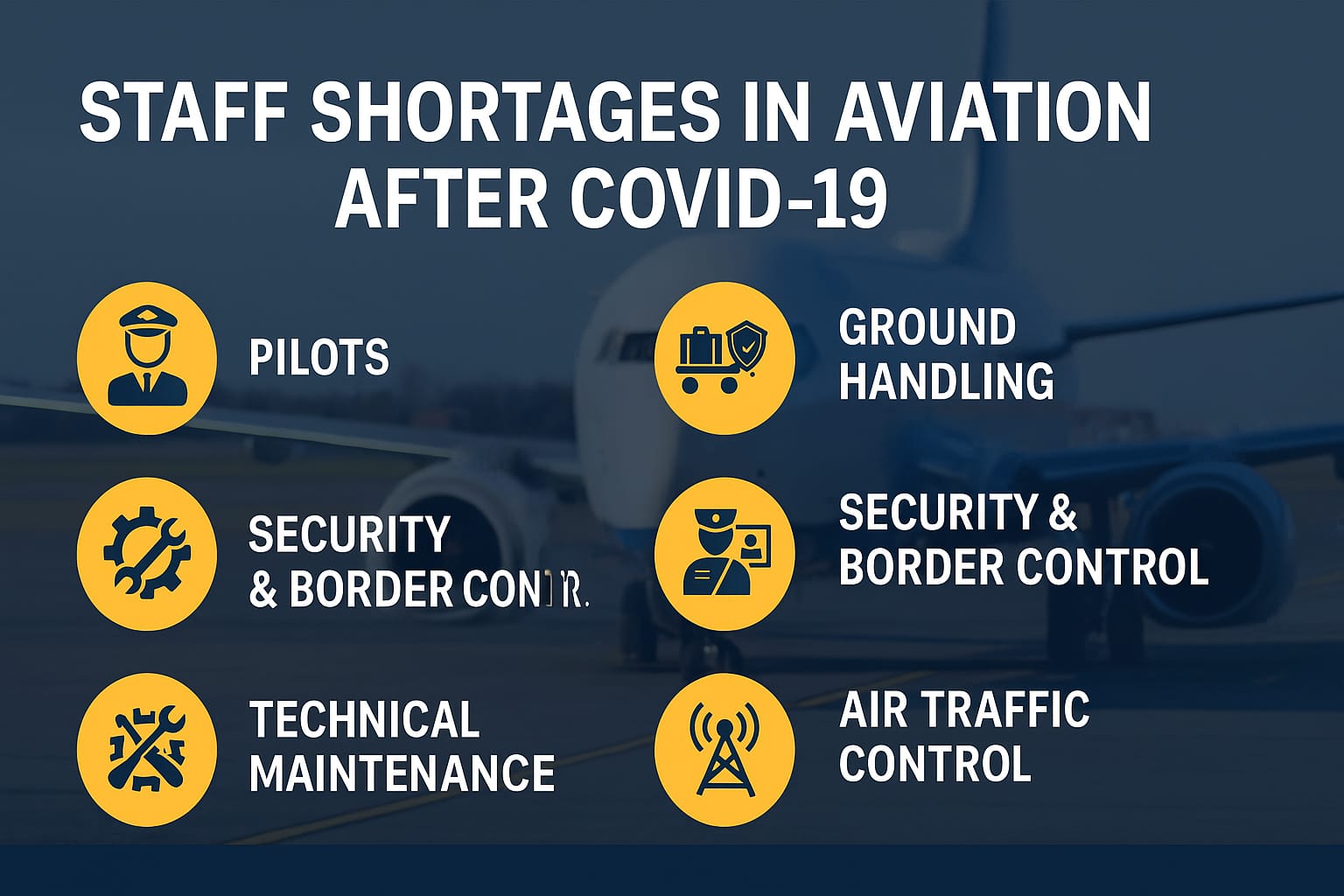
Where Are the Shortages Felt Most?
- Pilots: Airlines are canceling flights due to a lack of available flight crews.
- Ground Handling: Baggage delays and turnaround inefficiencies plague many airports.
- Security & Border Control: Long queues at passport control are now the norm.
- Technical Maintenance: Aircraft return to service more slowly due to maintenance staff limitations.
- Air Traffic Control: Staffing shortages in ATC have even caused airspace restrictions and delays.
Consequences for the Industry
- ✈️ Flight cancellations and delays
- Increased operational costs
- Poor passenger experience and brand damage
- Reduced route frequency and network planning complexity
- Lower resilience to future shocks or disruptions
How Can the Industry Respond?
- Invest in Recruitment Campaigns: Rebranding aviation as an attractive career path, especially for youth.
- Fast-track Training Programs: Partnering with regulators to reduce training bottlenecks while maintaining safety.
- Improve Working Conditions: Offering better pay, flexible schedules, and career growth to retain staff.
- Technology & Automation: Using AI, robotics, and data systems to reduce manual workload in baggage, check-in, and planning.
- Cross-Training Staff: Building versatile teams who can adapt to varying roles during disruptions.
A Wake-Up Call for the Industry
COVID-19 exposed the fragility of the aviation workforce. As the industry pushes toward recovery and growth, human capital must be at the center of every strategy.
It’s not just about filling roles, it’s about building a resilient, motivated, and future-ready workforce.