 Nöbetçi Eczaneler




Tourism fairs… There was a time when they locked the calendars of industry professionals months in advance, massive meeting grounds where destinations took the spotlight, airlines announced new routes, and tour operators spent long nights at contract tables. But is that still the case today? Or do rolling suitcases in exhibition halls, crates of citrus fruit, and crowded cocktail receptions tell a different story?
The transformation of tourism fairs in Türkiye is, in many ways, a reflection of the structural changes the industry has undergone over the past 20 years.
In the early 2000s, tourism fairs were events that generated direct commercial outcomes. Hotels finalized annual agreements, charter routes were shaped at the fairs, and destinations made first contact with operators at stand tables. Business cards were the preface to contracts.
Over time, fairs evolved into more than just sales platforms; they became spaces for brand storytelling. Large-scale stand designs, stage shows, gastronomy presentations, folklore performances… Destinations were no longer just explaining themselves; they were trying to create experiences.
More recently, however, the direction of “experience” at tourism fairs has shifted. The focus has moved away from tourism professionals toward the end consumer.
TTI İzmir and EMITT: Two Fairs, Two Different States of Mind
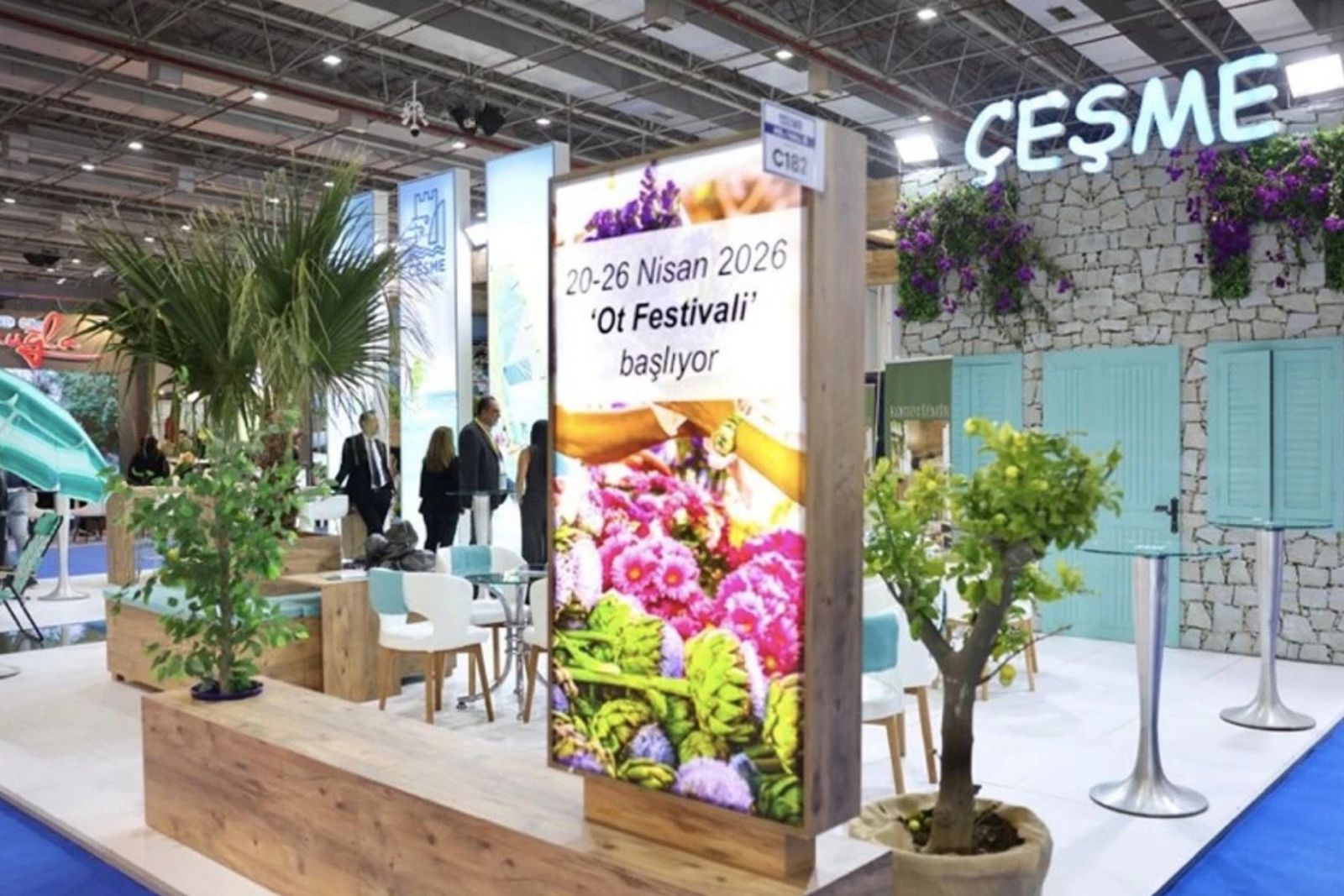
TTI İzmir, held at the end of last year, and EMITT, which I visited earlier this year, offer two important examples for comparing where tourism fairs in Türkiye stand today.
At TTI İzmir, a more niche, regional, yet targeted visitor profile stood out. It was possible to have in-depth discussions with stand representatives and to go into detail on projects with destination officials. In the corridors, appointment folders were more common than promotional bags.
EMITT, on the other hand, with its scale and international participation, remains Türkiye’s largest tourism showcase. However, especially on public days, the atmosphere in the corridors changes noticeably. Professional meeting spaces and consumer crowds begin to overlap.
At some stands, reaching a representative requires navigating queues formed for the distribution of local products such as lemons, walnuts, or ice cream.
The Age of “Cocktail Fairgoers”
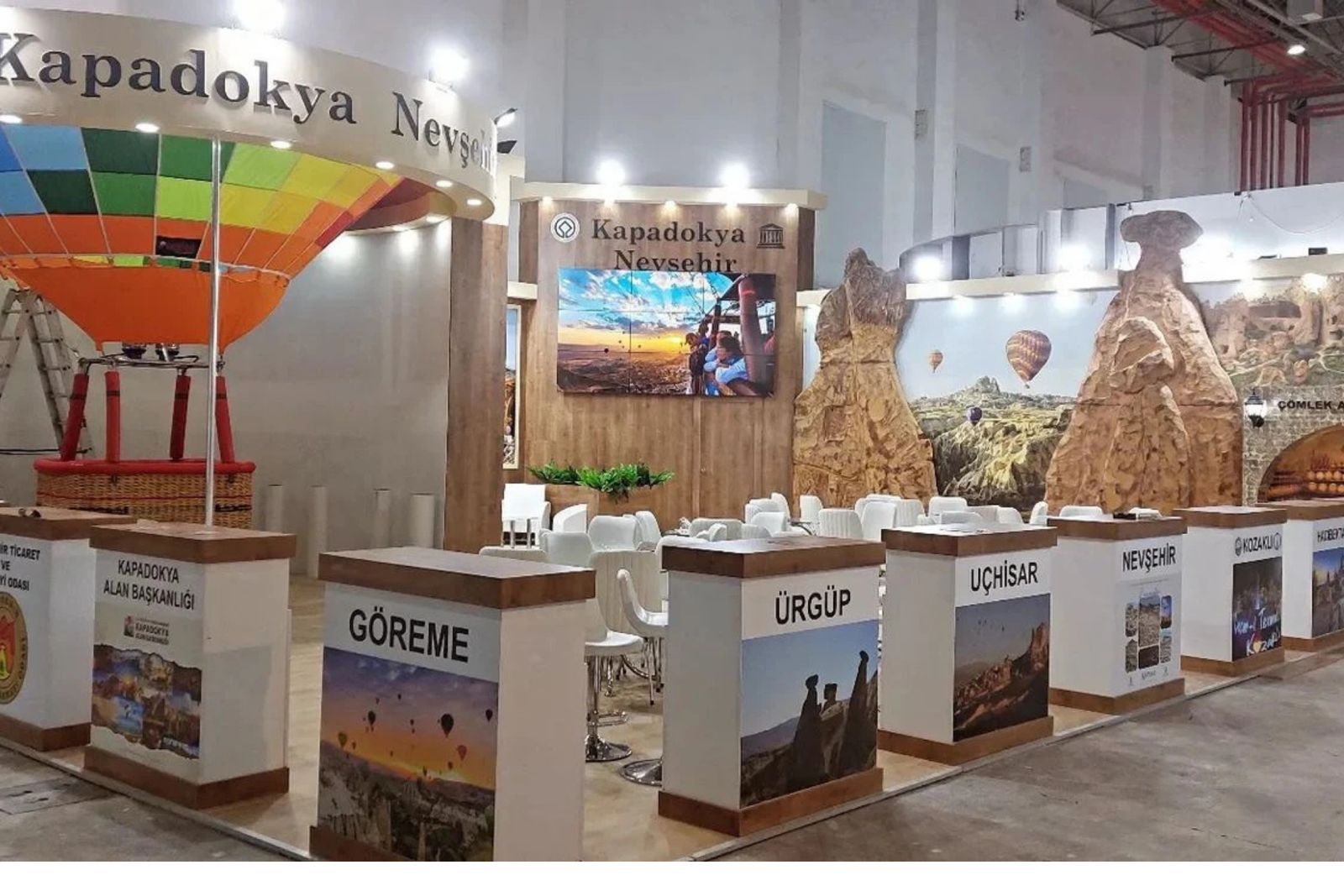
Another sociological breaking point in the transformation of fairs is “cocktail culture.” Opening receptions, destination evenings, country launches—these are, of course, part of tourism’s social nature. Yet in recent years, the effort to be visible at these events has sometimes overtaken professional engagement.
For some participants, the fair program is read not through stand presentations but through cocktail menus. Networking still exists, but it becomes increasingly important to assess what is actually communicated, how much value is created, and whether these interactions truly turn into positive outcomes.
Perhaps the most visible symbol of change at tourism fairs is the cabin-size rolling suitcase. Corridors once filled with professionals carrying laptop bags are now crowded with wheeled suitcases, not to collect brochures, but to store promotional items.
Apples, lemons, oranges, walnuts, roasted chickpeas, ice cream… Distributing local products can certainly be a colorful part of destination promotion. But the moment distribution overtakes communication, the fair begins to resemble a marketplace.
Tons of catalogs, thousands of brochures, most of which end up in the trash unread. At a time when the industry is actively discussing sustainability, this contradiction is hard to ignore.
Digitalization, cost pressures, the shift of promotional budgets toward digital channels, and the growing influence of the end consumer have all reshaped the structure of tourism fairs. These events still have the potential to remain one of the industry’s strongest meeting platforms. However, when this potential is overshadowed by consumer-focused activity, it creates the impression that significant budgets are being spent without a clear purpose or impact.