 Nöbetçi Eczaneler



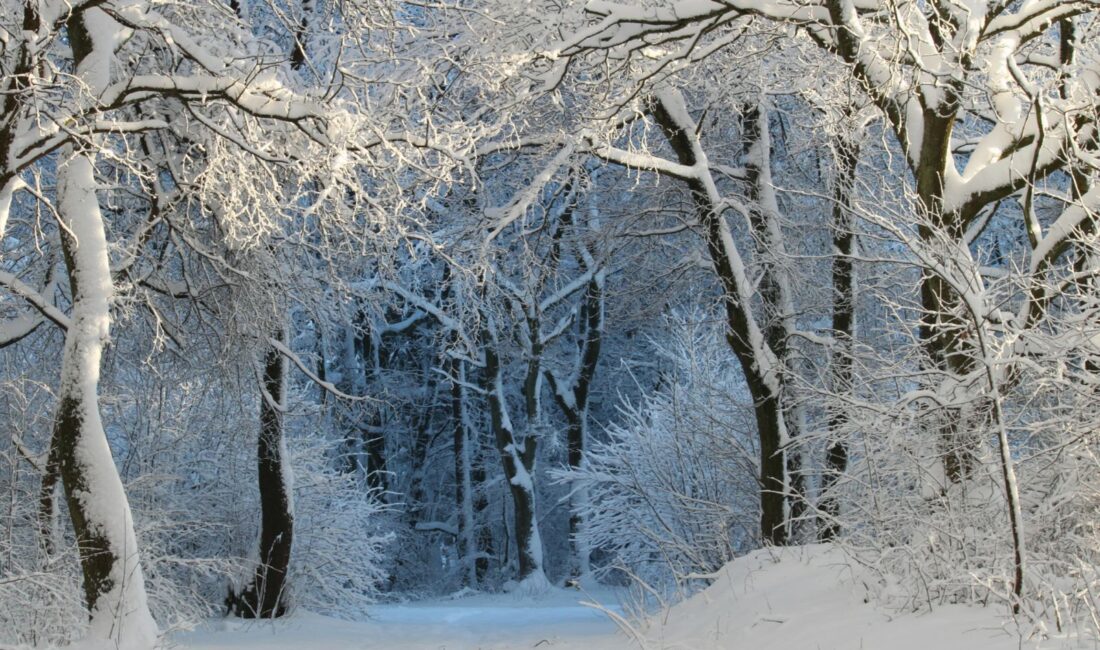
For many years, travel plans were shaped by seasons rather than calendars. Summer was synonymous with the sea, while winter was often associated with staying at home. In recent years, however, this perception has been changing rapidly. Destinations within short flight distances, culturally familiar yet still offering a sense of discovery, are attracting growing interest during the winter months. The Balkans stand out as one of the strongest examples of this shift.
The rise in winter tours and individual travel plans to the Balkans is no coincidence. Economic conditions, aviation planning, and evolving traveler expectations are all fueling this trend.
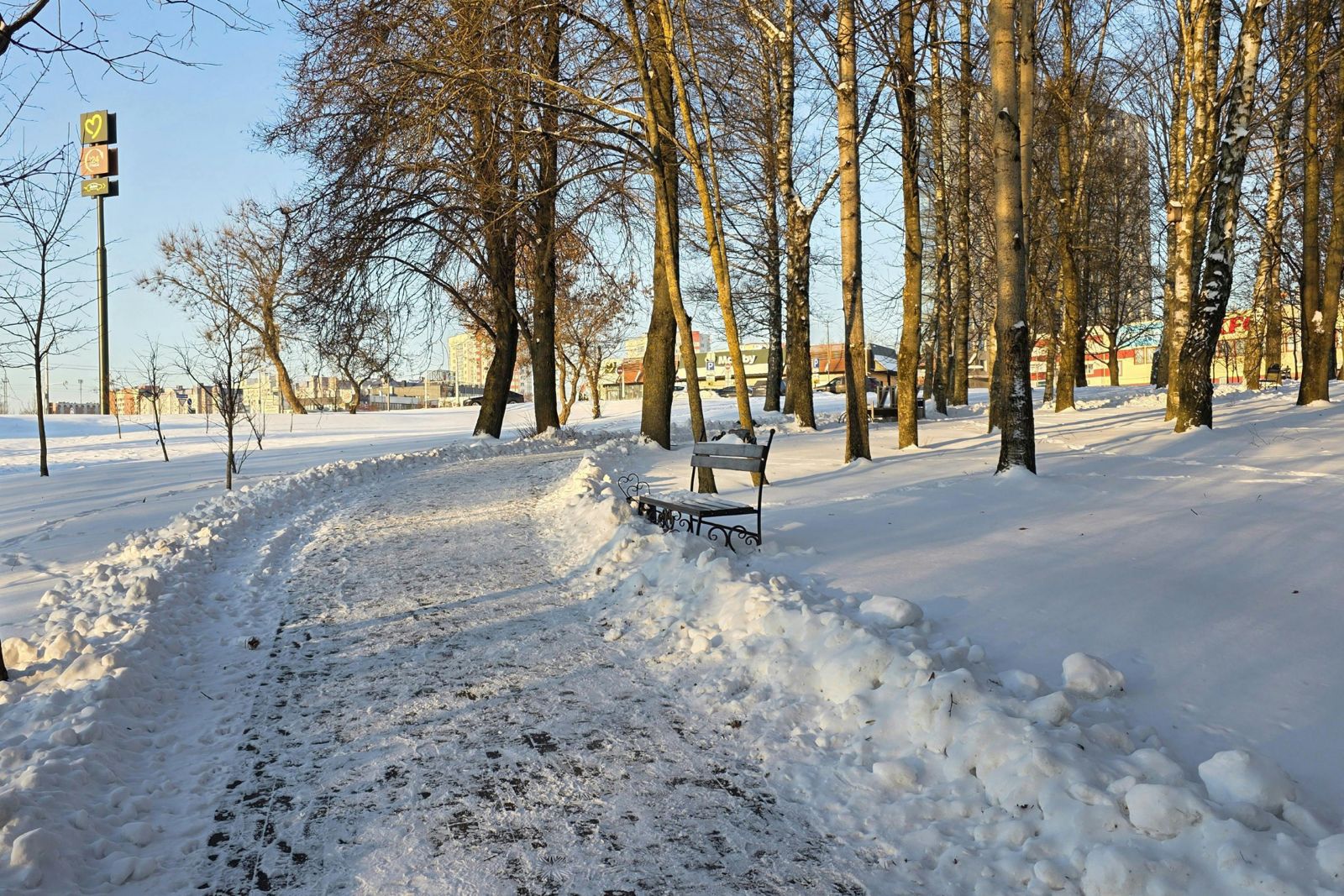
During winter, Balkan cities offer far more accessible pricing compared to Western Europe. Accommodation, dining, and local transportation costs drop noticeably compared to the summer season, making the region particularly attractive for short getaways. The short flight times from Türkiye to the Balkans further strengthen this appeal. Another key factor is that many Balkan countries do not require visas for Turkish citizens, combining experience-driven travel with visa-free access and short-haul connectivity.
From an aviation perspective, the Balkans remain among the sustainable routes in winter schedules. Short-haul flights, lower operational costs, and weekend-friendly timings allow these routes to maintain steady demand even during the colder months. This enables tour operators to plan Balkan programs more actively throughout the winter season.
Another element enhancing the Balkans’ winter appeal is the growing focus on experience-based travel. Colder weather brings local gastronomy and city life to the forefront. Regional cuisine, café culture, historic bazaars, and museums can be explored without crowds. In winter, Balkan cities offer visitors a calmer and more authentic atmosphere.
Many Balkan destinations known for heavy tourist traffic in summer return to their natural rhythm during winter. This gives travelers greater opportunities to connect with locals and truly feel the city. Quiet streets, more accessible museums, and warm conversations with shopkeepers are among the highlights of winter travel in the Balkans.
The growing winter interest in the Balkans cannot be explained by economic advantages alone. Travel habits are changing; people are no longer journeying based on seasons, but on experiences. Visa-free access, combined with the Balkans’ winter accessibility, cultural depth, and relaxed urban atmosphere, now sits at the heart of this new travel mindset.