 Nöbetçi Eczaneler



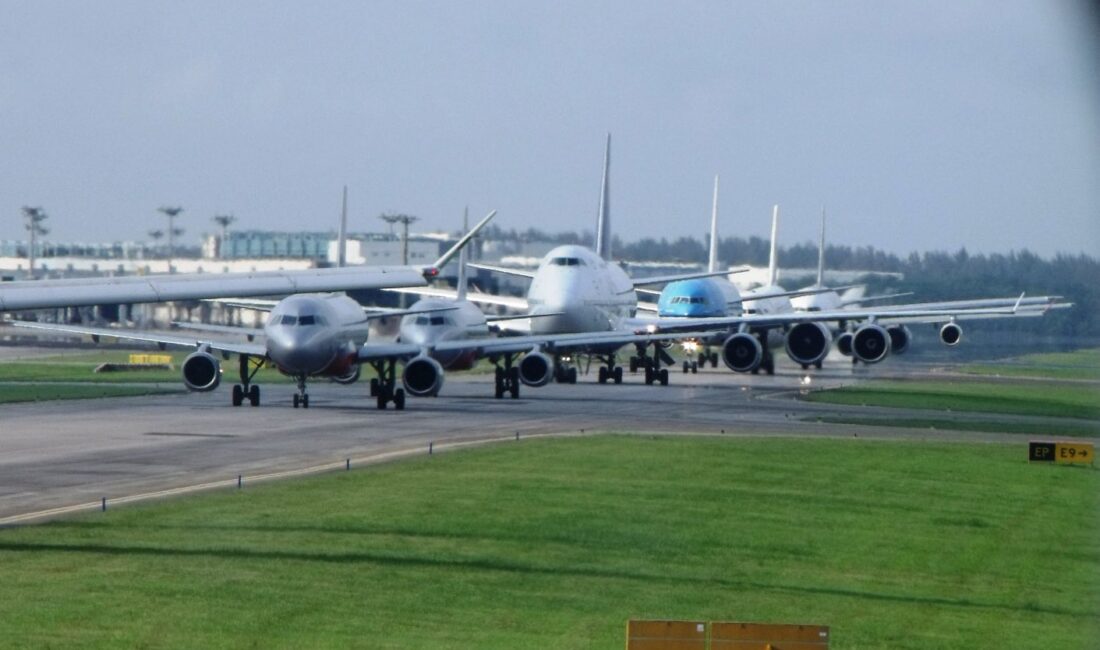
Ensuring smooth operations at an airport is never the responsibility of a single team. Air Traffic Control, airlines, ground handling, apron operations, and terminal management must all look at the same picture at the same time.
This is where A-CDM (Airport Collaborative Decision Making) comes into play. Contrary to common misunderstanding, A-CDM is not just a software system or a set of procedures.
At its core lies a much simpler idea:
Everyone makes decisions at the same time, based on the same accurate information.
Estimated arrival time, stand availability, turnaround plans, pushback timing…
If this information differs between stakeholders, delays become almost inevitable.
The purpose of A-CDM is to eliminate this uncertainty. But when A-CDM is poorly implemented or not truly embraced on the operational floor, the most expensive consequences often emerge within the first 10 minutes.
Why Are Those 10 Minutes So Critical?
A 10-minute delay may sound minor. But operationally, it is often the moment when the point of no return is crossed.
The aircraft arrives late at the stand.
The gate is not yet ready.
Ground handling teams wait off-plan.
Last-minute stand or gate changes are made.
From this moment on, the delay is no longer just about time.
A chain reaction has begun.
The Real Impact of a 10-Minute Delay
What appears small at first quickly escalates:
Slot risks arise.
Crew duty time limits are stretched.
Subsequent flights are affected.
Connecting passengers miss flights.
Terminal congestion increases.
Often, these effects do not remain limited to a single flight. They shape the rest of the day’s operations.
What Is Truly Expensive?
Financial losses can be measured.
But the most costly damage rarely appears in reports.
Airlines lose trust in the airport.
Operational teams shift into a constant reactive mode.
“Running late but managing” becomes normalized.
At that point, the problem is no longer a single delay; it is the operational culture itself.
Why A-CDM Is the Game Changer
When properly implemented, A-CDM prevents these costly 10 minutes from happening in the first place.
Because everyone:
Works with the same time predictions.
Understands the same priorities.
Acts on the same shared plan.
This reduces surprises, minimizes last-minute decisions, and allows delays to be managed before they even begin.
But A-CDM only delivers value when it is not just “in place”, but truly lived on the operational ground.
Conclusion
At an airport, time is money.
But some 10-minute windows cost more than money; they cost reputation and trust.
And the real value of A-CDM is revealed precisely here:
When it ensures that the most expensive 10 minutes never happen at all.