
 Nöbetçi Eczaneler


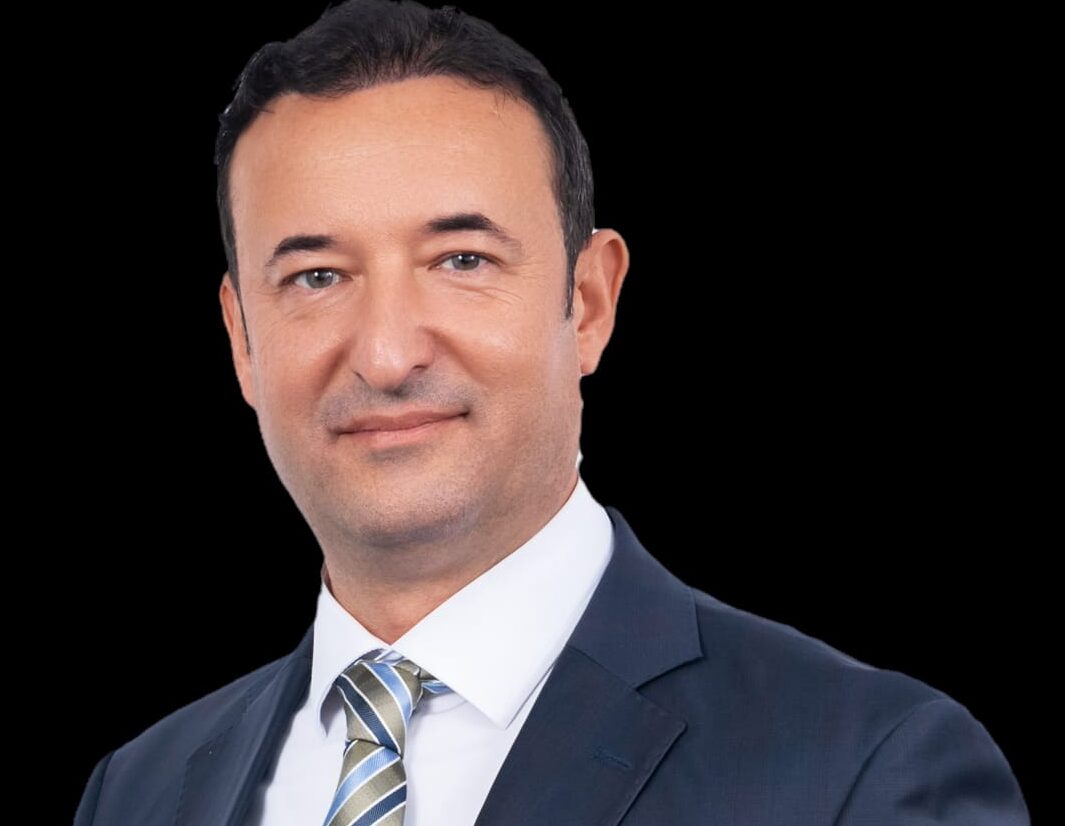

Financial institutions that provide funding for major infrastructure projects impose numerous conditions to secure both the loan and the project itself. One of these conditions is comprehensive insurance coverage. While arranging insurance for the Almaty Airport project, I noticed a requirement for terrorism insurance and remember thinking, “It’s interesting they ask for this in a country without terrorism.” About a month later, the country experienced a coup attempt.
What was even more difficult than trying to understand who was genuinely protesting and who was on the streets to incite chaos in a foreign country was the fact that all critical airport-related decisions were left entirely to our own initiative.
In the first days of 2022, protests broke out in the western part of the country in response to a fuel price increase. Although President Tokayev quickly intervened and reversed the decision, the demonstrations continued to escalate. What began on January 2 reached its peak on January 4 and 5.
I do not wish to delve into the political aspects of the events, but President Tokayev’s refusal to step back and his ability to steer the country away from a major disaster through effective diplomacy within a very short timeframe were a remarkable achievement.
As the situation spiraled out of control, the units at Almaty Airport gathered to discuss what should be done. As the airport president at the time, I was asked to make the decision to close the airport. However, since we were a private company, I insisted that “this decision must be taken by the competent authorities; we should only implement it.” No official instructions arrived, and we were forced to make decisions ourselves.
The option of closing the airport was proposed. This was not a decision I could take alone, and I refused to do so. Instead, we discussed possible scenarios and created an action plan in case the protesters reached the airport.
On the afternoon of January 5, all security forces responsible for airport security abandoned their posts one by one. Only our own aviation security personnel remained. Shortly afterward, protesters began arriving at the airport in groups, shouting, “We are taking over the country!” As soon as we learned they were approaching, we moved passengers airside and evacuated them safely via the cargo warehouse area. Our greatest relief was that no one was injured.
Once the protesters entered the airport, they began looting everything in sight. At that moment, two aircraft had just landed. We deliberately parked them as far away from the terminal as possible and kept the passengers on board. The captains turned off the aircraft lights to avoid drawing attention. Later that night, taking advantage of the fog, our staff showed extraordinary dedication and successfully evacuated passengers from the aircraft via the cargo building.
Throughout this entire period, only airport security personnel were present on site. They were armed, but most of the weapons were designed for bird control. Using other firearms required authorization from the authorities, which never came. To prevent weapons from falling into the hands of the protesters, the security team hid them in remote locations where they could not be found.
Around 6:00 a.m., law enforcement forces arrived and regained control. We immediately carried out damage and situation assessments. While the systems were intact, duty-free shops had been looted, and offices and retail areas had suffered significant material damage.
Later that same day, troops from the Collective Security Treaty Organization (CSTO) began arriving in Almaty by air to restore security. From that point on, Almaty Airport was used as a military base. Commercial flights were suspended, and the airport operated solely for military flights.
During the roughly week-long crisis, we provided logistical support to incoming and outgoing troops, organized evacuation flights for those wishing to leave the country, and worked to prepare the airport for the resumption of commercial operations. Damage assessments, repairs, coordination with government institutions, media briefings, staff organization, and continuous reporting to headquarters all had to be managed while remaining calm in an environment under constant sniper surveillance.
Due to decisions I made during a period of authority vacuum, I was repeatedly summoned to the prosecutor’s office in a country where I was a foreign national, asked to explain why I did not close the airport and why I did not issue orders to use firearms.
Do not be afraid to make decisions but ensure those decisions are grounded in solid reasoning. When you truly understand your work and have experience, you can make faster and more effective decisions. This event became one of the most profound experiences of my life in terms of crisis management, leadership, and strategic decision-making.